


The first landscape photo I was truly proud of wasn’t taken in some famous national park or exotic destination. It was captured during an early morning walk near my hometown.
I remember waking up before sunrise, carrying a camera, and heading toward a nearby field. As the sun slowly appeared over the horizon, the sky turned shades of orange, pink, and gold. I took several photos, but one image stood out. It wasn’t perfect, yet it taught me something important: landscape photography is less about expensive gear and more about being in the right place, at the right time, with the patience to observe nature.
Since then, I’ve photographed mountains, rivers, coastlines, forests, and countryside scenes. Every location has taught me something new about light, composition, and storytelling.
If you’re curious about landscape photography and want to learn how to get started, this guide will help you understand the fundamentals from a photographer’s perspective.
Quick Answer: What Is Landscape Photography?
Landscape photography is the art of capturing natural or man-made outdoor environments to showcase their beauty, scale, and atmosphere.
Landscape photographs often include:
- Mountains
- Forests
- Rivers
- Lakes
- Beaches
- Deserts
- Countryside scenes
- Cityscapes
The goal is to create images that help viewers experience the scene as if they were standing there themselves.
Why Landscape Photography Is So Popular
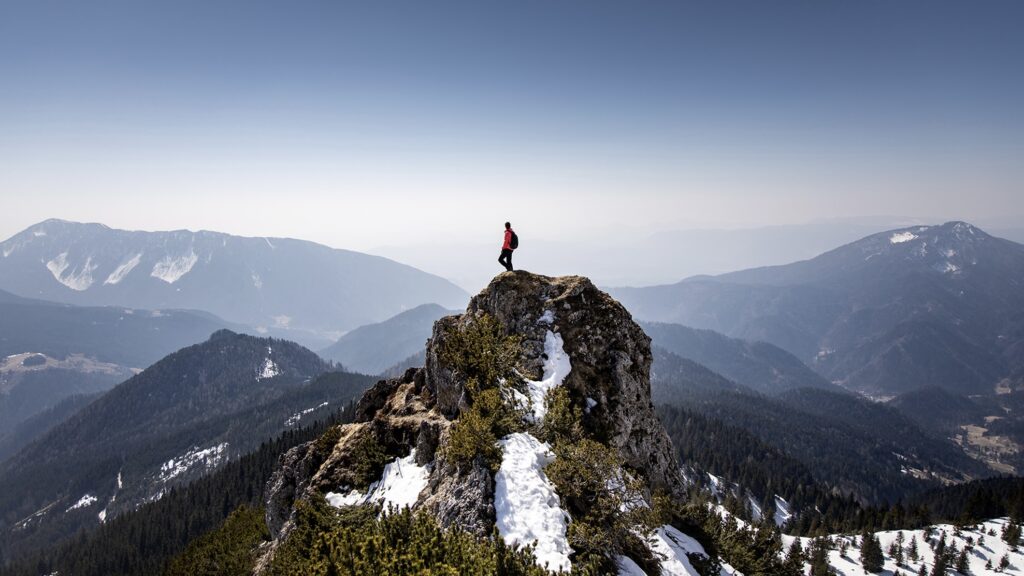
Landscape photography allows photographers to connect with nature and document beautiful places.
Unlike many other photography genres, landscapes don’t require models, events, or special permissions. Some of the most beautiful subjects already exist around us.
What I love most about landscape photography is that every day offers a different scene. The same location can look completely different depending on:
- Weather
- Season
- Lighting
- Time of day
This makes landscape photography both challenging and rewarding.
What Makes a Great Landscape Photograph?
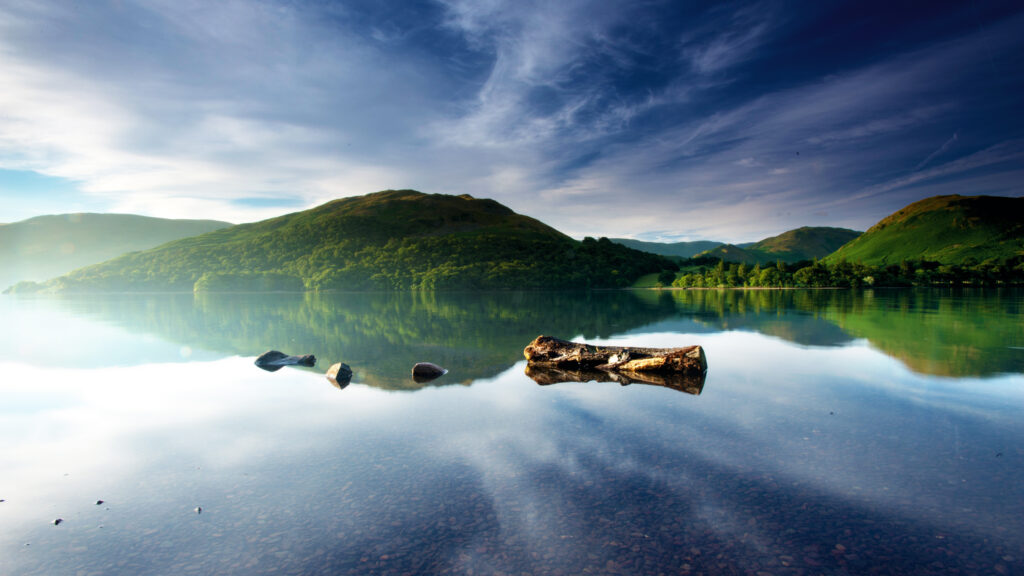
Many beginners assume a beautiful location automatically creates a beautiful photo.
In reality, successful landscape photography combines several important elements.
Strong Light
Light is everything.
I’ve visited stunning locations and come home with disappointing images simply because the lighting wasn’t ideal.
The best landscape photos usually feature:
- Soft morning light
- Golden hour light
- Dramatic weather conditions
- Colorful sunsets
- Atmospheric fog
Interesting Composition
Composition determines how viewers experience the scene.
A good composition guides the eye through the photograph naturally.
Depth
Strong landscape photos often include:
- Foreground elements
- Midground subjects
- Background scenery
This creates a sense of scale and immersion.
Types of Landscape Photography
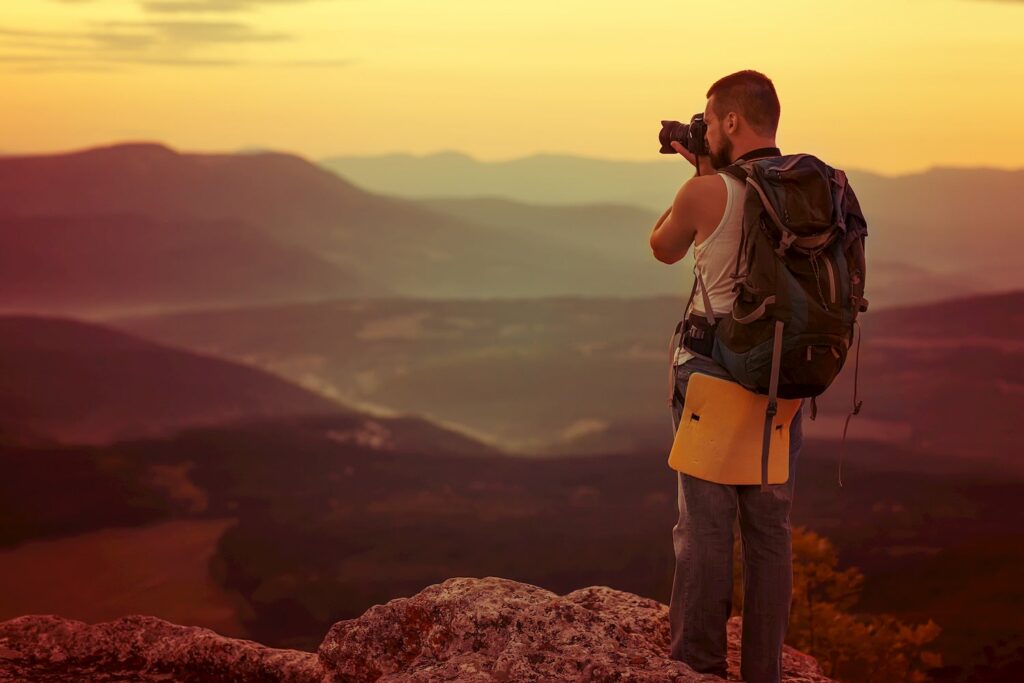
Landscape photography includes several different styles.
Mountain Photography
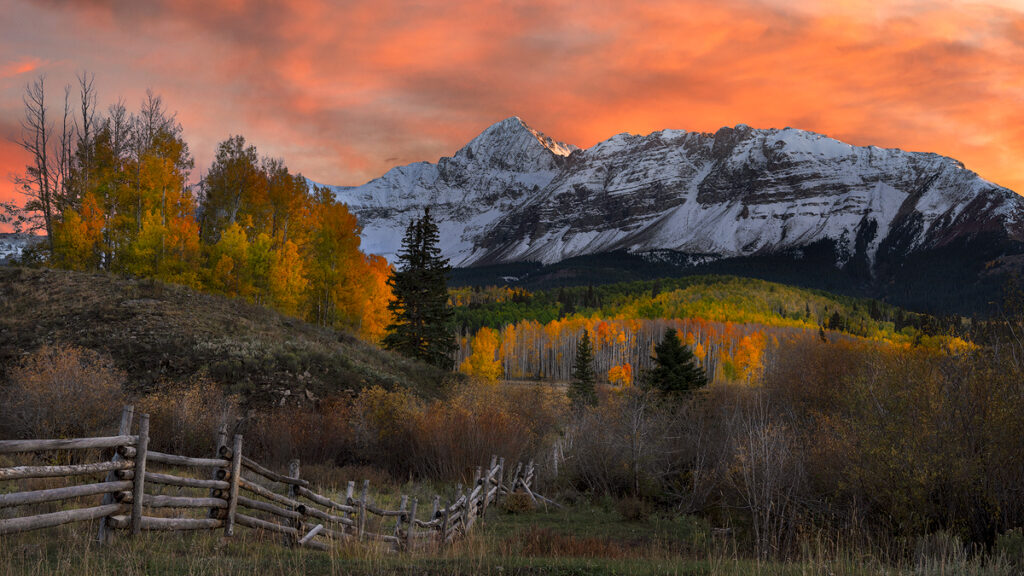
One of the most popular forms of landscape photography.
Subjects include:
- Mountain ranges
- Peaks
- Valleys
- Alpine lakes
Mountain photography often requires planning, hiking, and patience.
Seascape Photography
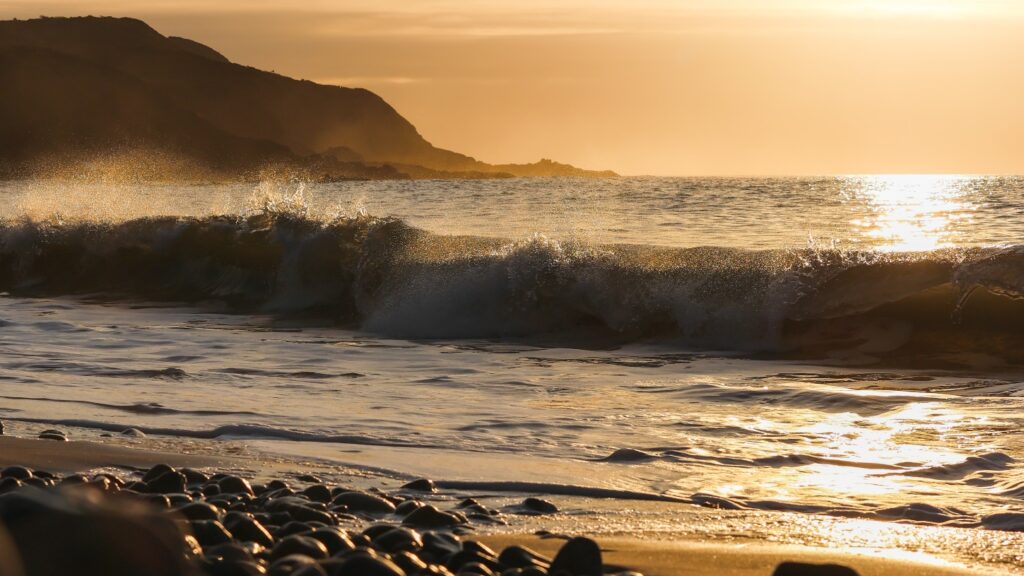
Seascapes focus on coastal environments.
Common subjects include:
- Beaches
- Waves
- Cliffs
- Harbors
- Sunsets over water
Long exposure techniques are frequently used to create smooth water effects.
Forest Photography
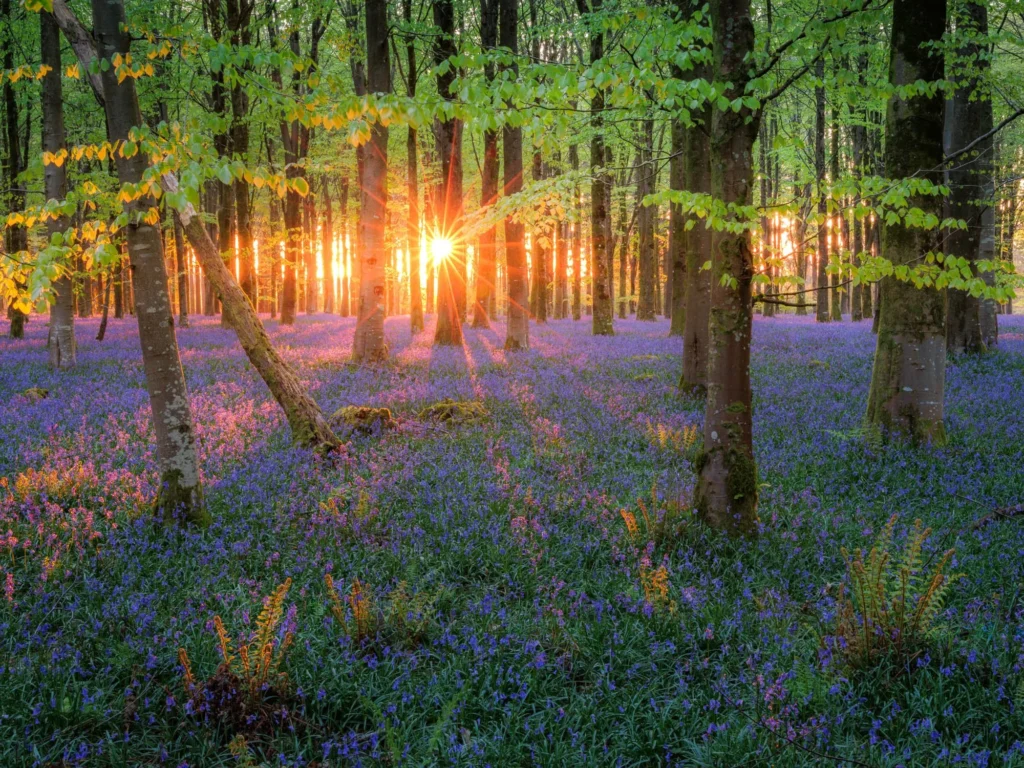
Forests offer endless creative opportunities.
Popular subjects include:
- Trees
- Paths
- Fog
- Sun rays
- Seasonal colors
Forest photography often requires careful composition because scenes can become visually busy.
Desert Photography
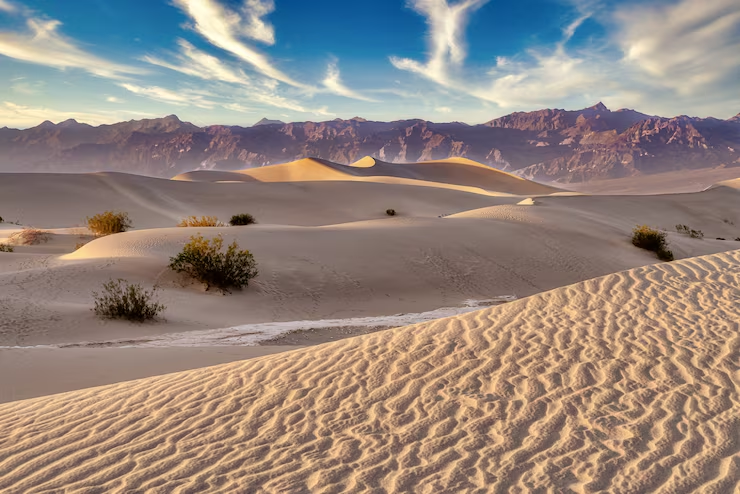
Deserts provide unique textures and shapes.
Photographers often focus on:
- Sand dunes
- Shadows
- Rock formations
- Vast open spaces
Rural and Countryside Photography
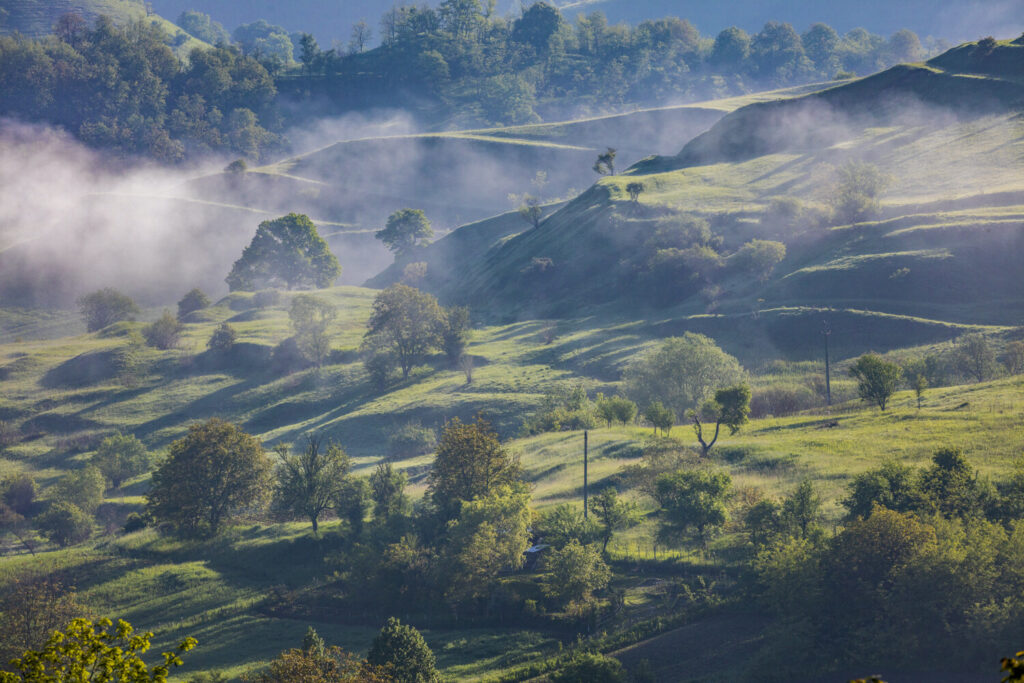
Many of my favorite landscape images come from simple countryside scenes.
Subjects may include:
- Fields
- Farms
- Rolling hills
- Country roads
Sometimes ordinary places create extraordinary photographs.
Best Times for Landscape Photography
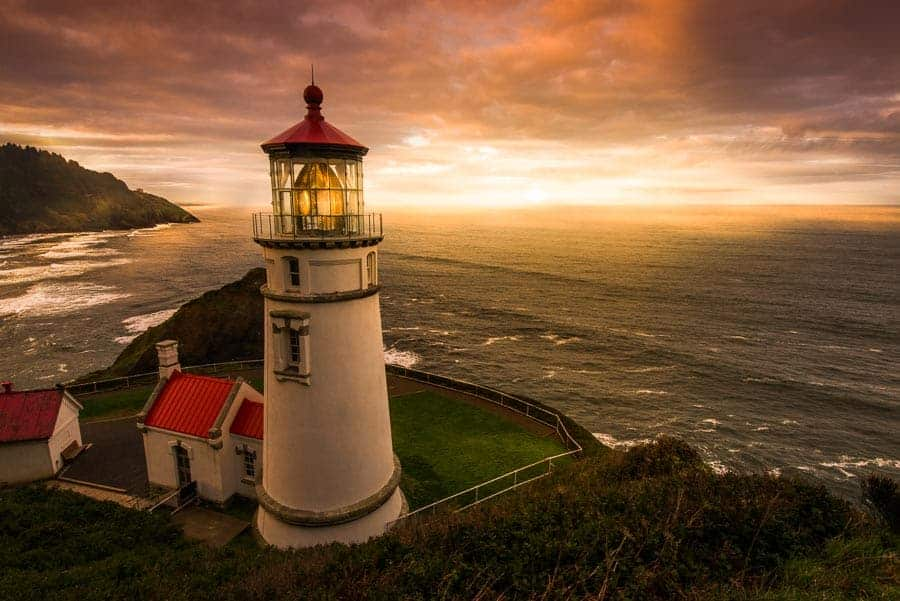
Timing can make a huge difference.
Golden Hour
Golden hour occurs shortly after sunrise and before sunset.
Benefits include:
- Soft light
- Warm colors
- Long shadows
- Better contrast
This is my favorite time for landscape photography.
Blue Hour
Blue hour occurs just before sunrise and after sunset.
Benefits include:
- Cool tones
- Atmospheric lighting
- Balanced exposure
Great for cityscapes and water scenes.
Sunrise
Sunrise often offers:
- Fewer people
- Calm conditions
- Cleaner air
- Beautiful colors
Many of my best images were captured before most people were awake.
Sunset
Sunset can provide dramatic skies and vibrant colors.
However, popular locations are often more crowded during sunset.
Essential Camera Settings for Landscape Photography
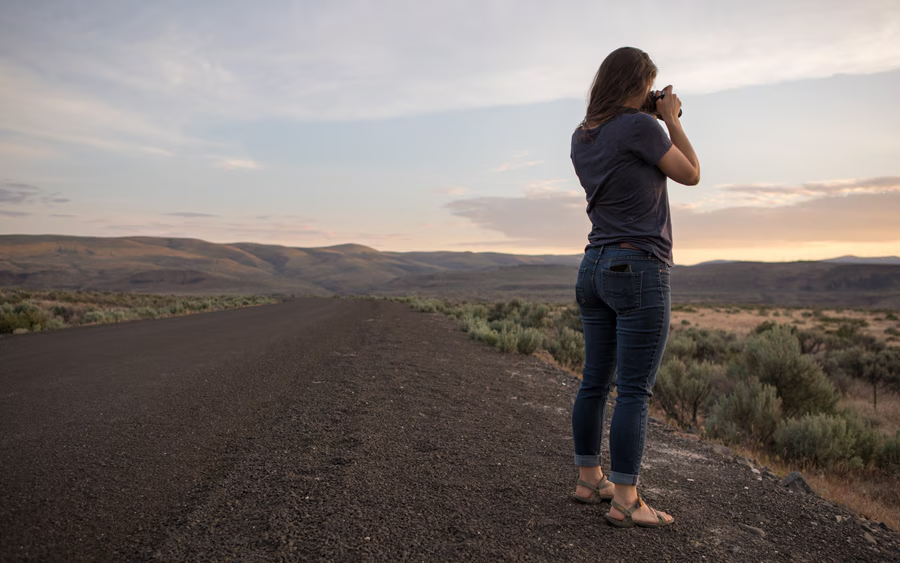
One of the most common questions beginners ask is:
“What camera settings should I use for landscape photography?”
Aperture
I usually shoot between:
- f/8
- f/11
- f/16
These settings help keep more of the scene in focus.
ISO
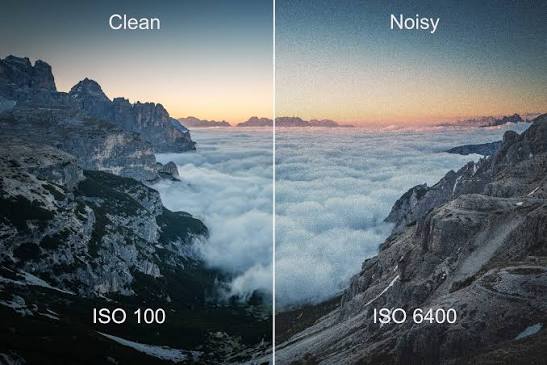
Whenever possible, I use:
- ISO 100
A low ISO produces cleaner images with maximum detail.
Shutter Speed
Shutter speed depends on the scene.
Examples:
- Fast shutter speed for moving wildlife
- Slow shutter speed for waterfalls
- Long exposures for creative effects
Focus
For most landscapes, focus approximately one-third into the scene to maximize sharpness throughout the image.
Composition Techniques for Landscape Photography
Rule of Thirds
Divide the frame into nine sections.
Place key elements along the grid lines or intersections.
Leading Lines
Leading lines guide the viewer’s eye through the photograph.
Examples include:
- Roads
- Rivers
- Trails
- Fences
Foreground Interest
Adding foreground elements creates depth.
Examples:
- Rocks
- Flowers
- Driftwood
- Grass
Framing
Use natural elements to frame your subject.
Examples include:
- Trees
- Cave openings
- Arches
Symmetry and Reflections
Water reflections can create powerful and balanced compositions.
Equipment I Use for Landscape Photography
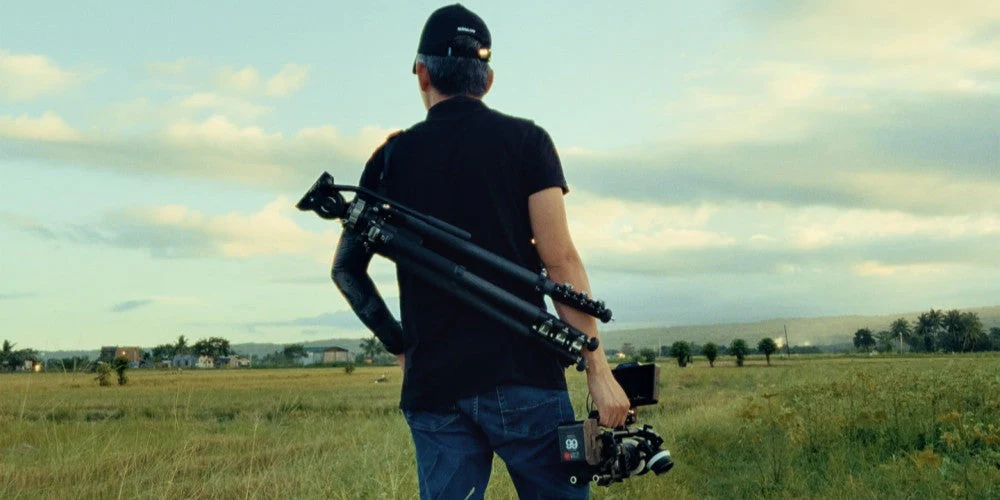
While gear isn’t everything, certain equipment helps.
Camera
Almost any modern camera can produce beautiful landscape images.
Wide-Angle Lens
A wide-angle lens helps capture expansive scenes.
Popular focal lengths include:
- 16mm
- 24mm
- 35mm
Tripod
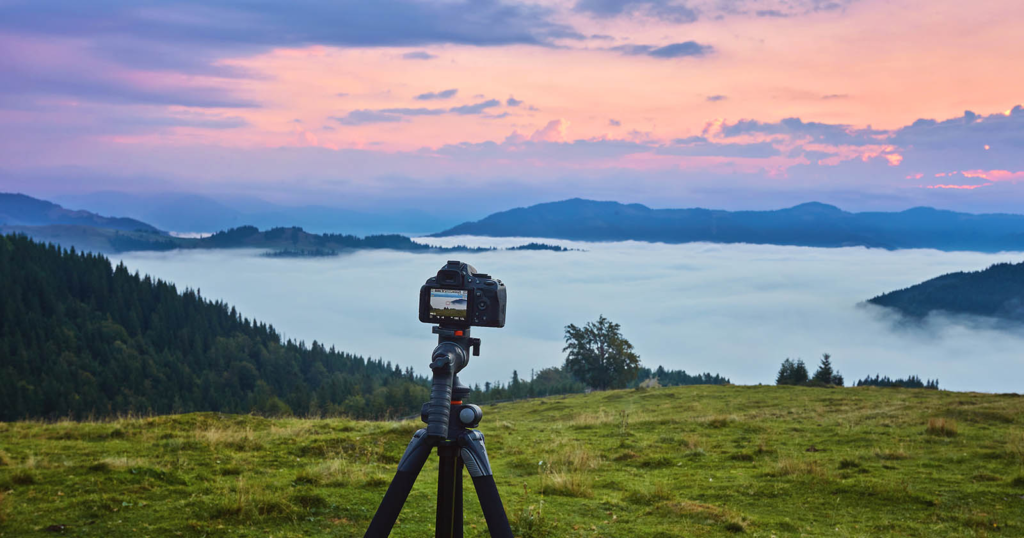
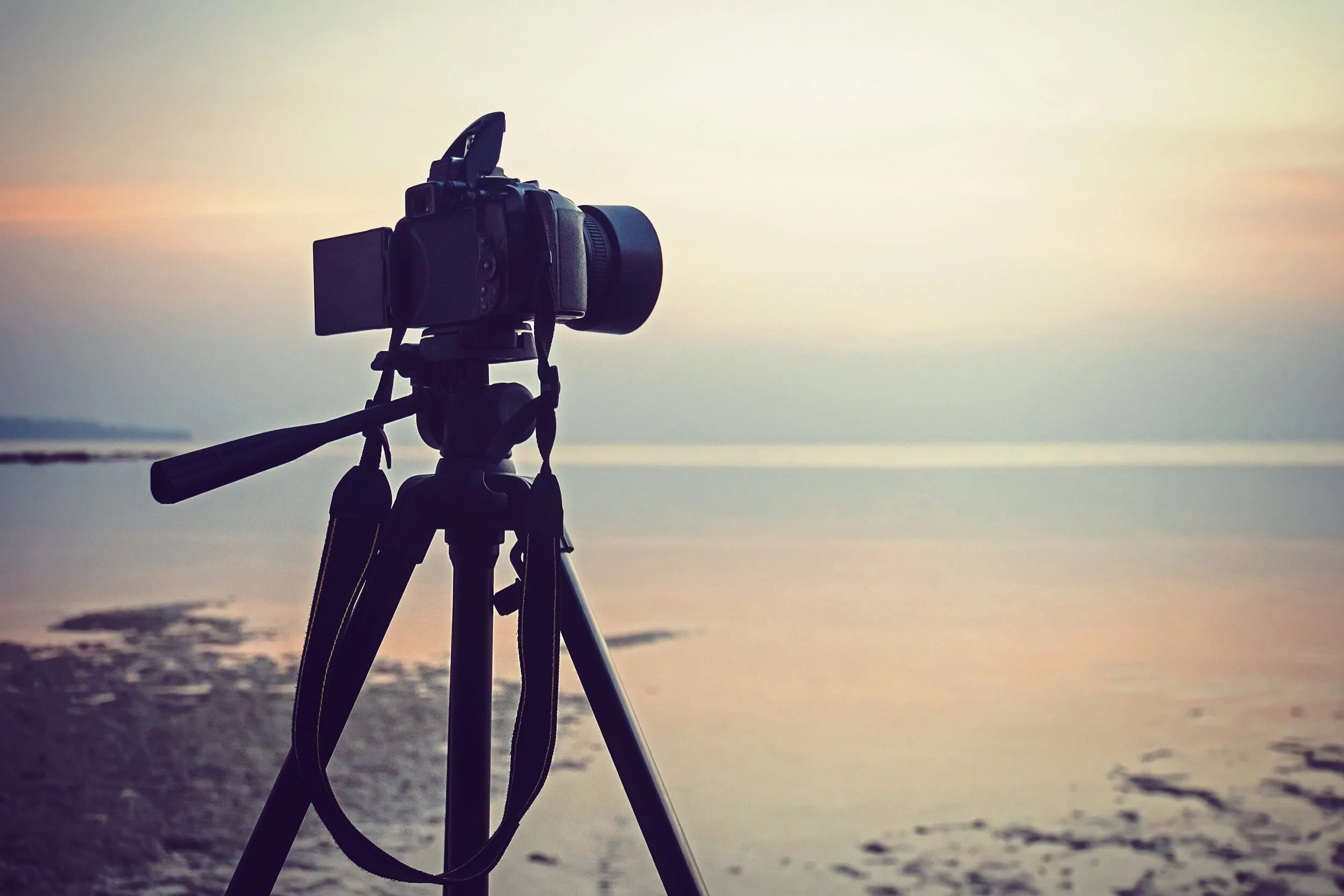
A tripod is one of the most valuable landscape photography tools.
It helps with:
- Long exposures
- Sunrise photography
- Sunset photography
- Maximum sharpness
Filters
Many landscape photographers use:
- Polarizing filters
- Neutral density filters
- Graduated filters
These can improve image quality and creative possibilities.
Common Landscape Photography Mistakes
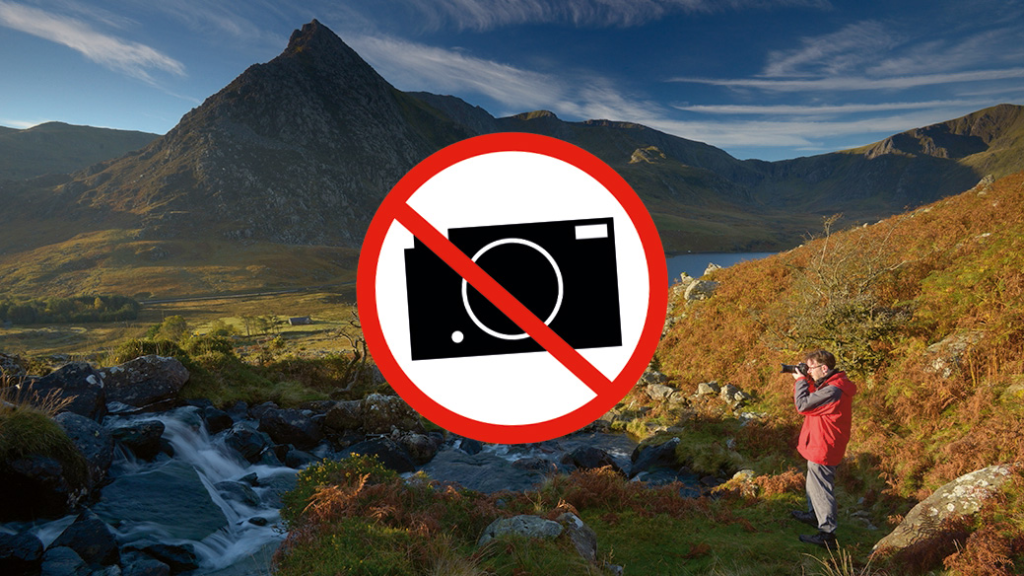
Shooting Only at Eye Level
Changing perspective often creates more interesting compositions.
Ignoring Weather
Some of my most dramatic photos were captured during challenging weather conditions.
Forgetting the Foreground
A strong foreground often transforms an average image into a memorable one.
Arriving Too Late
Many photographers arrive exactly at sunrise or sunset.
The best light often occurs before and after these moments.
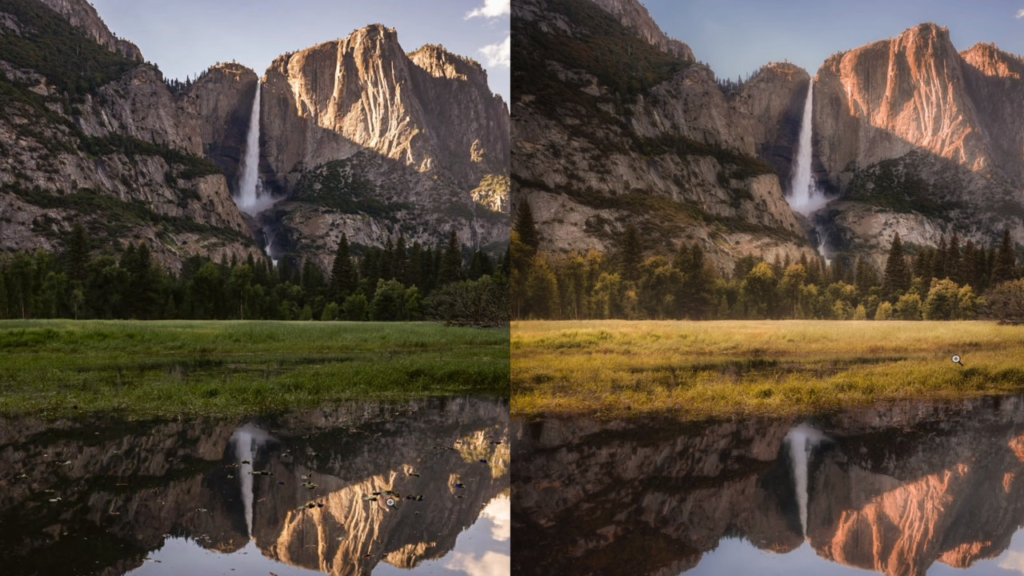
Overediting Photos
Editing should enhance a landscape, not completely change it.
Natural-looking results often have the greatest impact.
How to Improve Your Landscape Photography
Visit Locations Multiple Times
A location can look completely different under changing conditions.
Study Light
Learn how sunlight interacts with landscapes.
Practice Composition
Spend time observing before pressing the shutter.
Be Patient
Landscape photography rewards patience more than speed.
Explore Local Areas
You don’t need famous destinations to create beautiful images.
Some of my favorite photographs were taken close to home.
Frequently Asked Questions
What is landscape photography?
Landscape photography is the practice of photographing natural or outdoor environments to showcase their beauty and atmosphere.
What lens is best for landscape photography?
Wide-angle lenses are commonly used because they capture more of the scene.
What aperture should I use for landscapes?
Many photographers use apertures between f/8 and f/16 to maximize sharpness.
Do I need a tripod?
A tripod isn’t always required, but it greatly improves stability and enables long-exposure photography.
What is the best time for landscape photography?
Golden hour, blue hour, sunrise, and sunset typically provide the most attractive lighting conditions.
Can beginners do landscape photography?
Absolutely. Landscape photography is one of the most accessible photography genres for beginners.
Final Thoughts
Landscape photography has taught me patience more than any other photography style.
I’ve waited for clouds to move, for fog to clear, and for sunlight to reach the perfect spot on a mountain. Sometimes I returned home with incredible images. Other times I came back empty-handed.
That’s part of the experience.
The beauty of landscape photography isn’t just the final photograph. It’s the process of exploring new places, understanding light, and learning to see the world differently.
If you’re just getting started, don’t worry about having the perfect camera or traveling to famous destinations. Start with local parks, nearby lakes, country roads, or scenic viewpoints. Practice regularly, learn from every outing, and focus on enjoying the journey.
The more time you spend photographing landscapes, the more you’ll discover that great images often come from patience, observation, and a genuine appreciation for the world around you.

Leave a Reply