




Starting a photography business was one of the best decisions I ever made, but it wasn’t nearly as glamorous as social media makes it look.
When I first decided to turn photography into a business, I thought buying a good camera would be enough. I believed clients would somehow find me, love my work, and start booking sessions every week.
Reality was different.
I spent months learning photography, building a portfolio, reaching out to potential clients, and figuring out how to price my services. Looking back, I’m grateful for those struggles because they taught me what actually matters when building a successful photography business.
If you’re wondering how to start a photography business, this guide will walk you through the exact steps I would follow if I had to start over today.
Quick Answer: How Do You Start a Photography Business?
To start a photography business:
- Learn photography fundamentals.
- Choose a photography niche.
- Build a professional portfolio.
- Create a business brand.
- Set your pricing structure.
- Build a website and social media presence.
- Market your services consistently.
- Deliver exceptional client experiences.
- Collect reviews and referrals.
- Scale your business through systems and partnerships.
The most important thing is not having the most expensive camera. It’s learning how to solve problems for clients and consistently creating images they value.
Why Start a Photography Business?
Photography offers something many businesses don’t.
It combines creativity with entrepreneurship.
You can earn money while doing something you genuinely enjoy.
Some common photography business opportunities include:
- Wedding photography
- Portrait photography
- Family photography
- Event photography
- Real estate photography
- Product photography
- Food photography
- Commercial photography
- Sports photography
- Personal branding photography
The photography industry continues to grow because businesses, creators, and families constantly need high-quality visual content.
Step 1: Learn Photography Before Selling Services
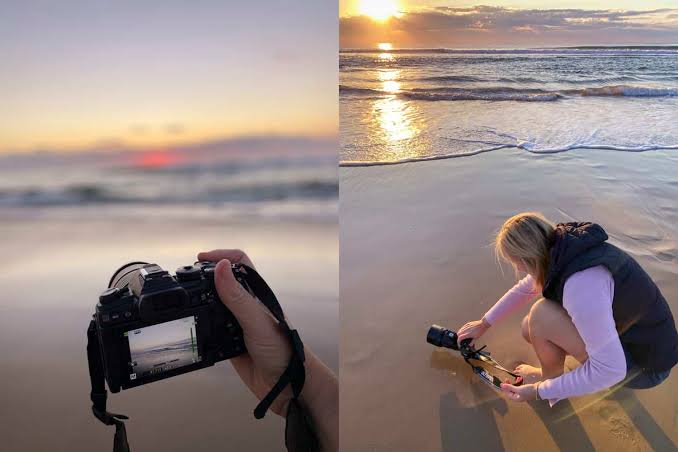
Before charging clients, make sure you understand the basics.
When I started, I spent countless hours practicing:
Camera Settings
Learn:
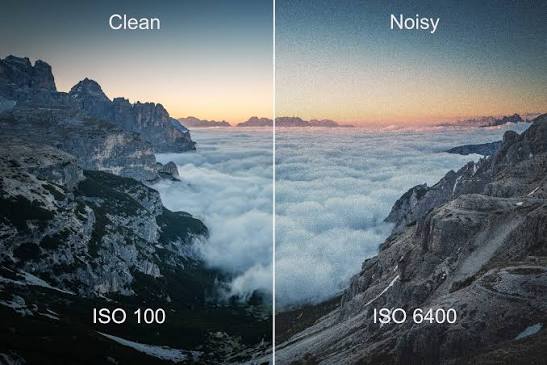
- ISO
- Aperture
- Shutter Speed
Understanding the Exposure Triangle will give you more control than any expensive piece of equipment.
Lighting
Photography literally means “drawing with light.”
Learn:
- Natural light
- Window light
- Golden hour lighting
- Artificial lighting
- Flash basics
Most beginners focus on cameras.
Professional photographers focus on light.
Composition
Practice:
- Rule of thirds
- Leading lines
- Framing
- Symmetry
- Negative space
Strong composition can transform an average photo into something memorable.
Step 2: Choose Your Photography Niche

One of the biggest mistakes new photographers make is trying to serve everyone.
I made this mistake too.
At first, I advertised:
- Weddings
- Portraits
- Products
- Real estate
- Events
- Food photography
The result?
Confused clients.
It’s usually easier to grow when people immediately understand what you specialize in.
Popular Photography Niches
Wedding Photography
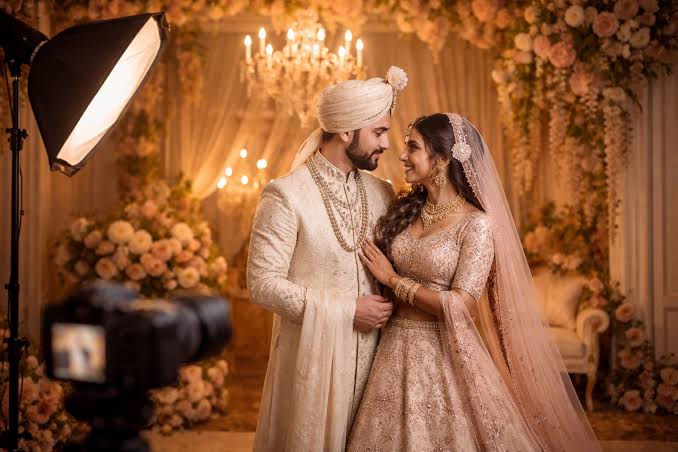
High earning potential but requires strong technical and people skills.
Portrait Photography

Ideal for beginners and easier to build a portfolio.
Commercial Photography

Businesses pay well for quality visual content.
Real Estate Photography

Consistent demand from agents and property developers.
Product Photography

Excellent option for working with ecommerce brands.
Choose one primary niche initially and expand later.
Step 3: Build a Strong Portfolio
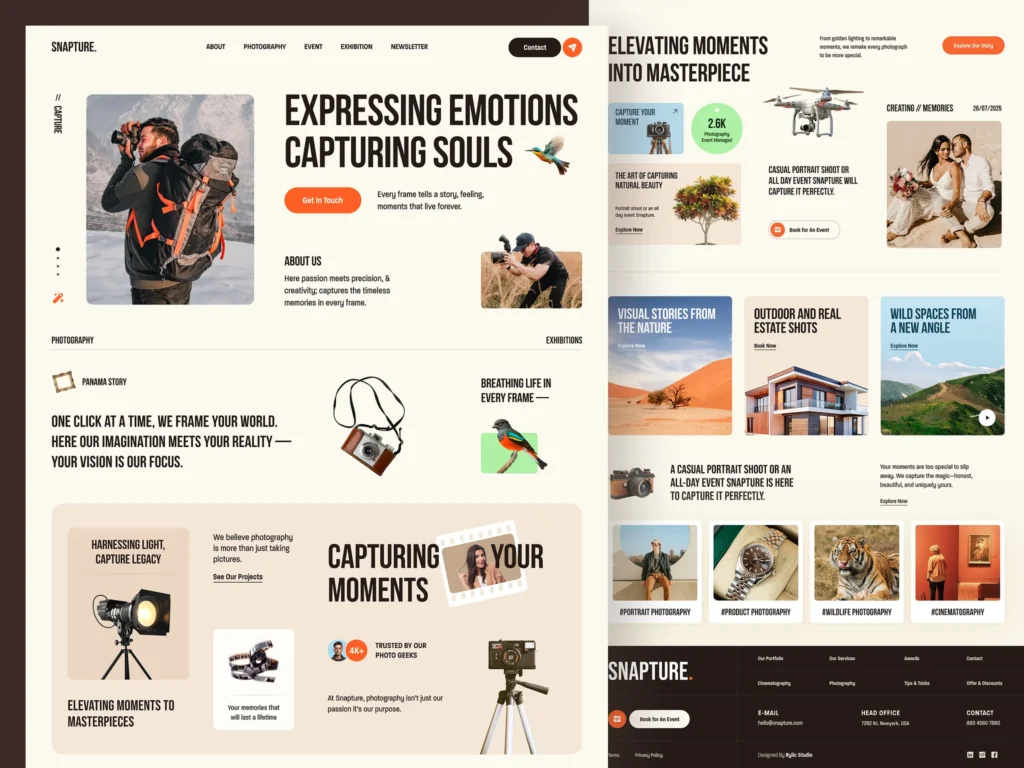
Your portfolio is your most important marketing tool.
When I started, I didn’t have paying clients.
So I created my own opportunities.
Offer Free Practice Sessions
Photograph:
- Friends
- Family
- Local businesses
- Community events
The goal is experience and portfolio building.
Focus on Quality
Ten amazing images are more valuable than one hundred average ones.
Only showcase your strongest work.
Create Portfolio Categories
Organize your work clearly:
- Weddings
- Portraits
- Events
- Commercial
- Lifestyle
Potential clients should quickly find examples relevant to their needs.
Step 4: Create Your Photography Brand

People don’t just hire photographers.
They hire brands they trust.
Choose a Business Name
Options include:
- Personal name
- Studio name
- Creative brand
Examples:
- Sarah Johnson Photography
- Golden Light Studios
- Urban Lens Photography
Design a Professional Logo
Keep it simple.
Your work should be the focus, not your logo.
Define Your Style
Ask yourself:
- Bright and airy?
- Dark and moody?
- Editorial?
- Documentary?
- Cinematic?
Consistency helps clients recognize your work.
Step 5: Set Your Photography Prices
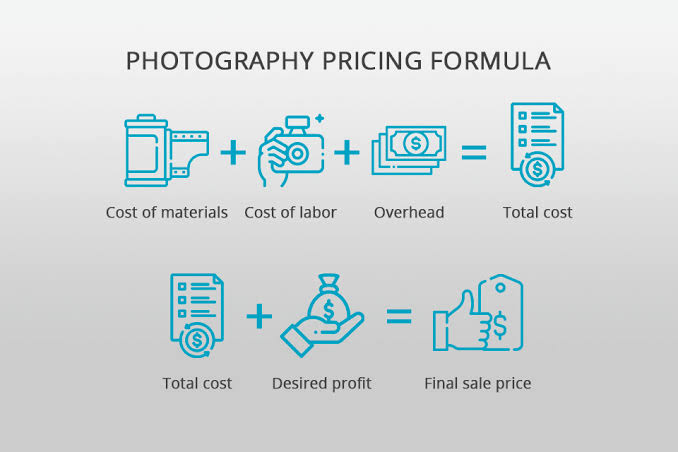
Pricing is one of the hardest parts of starting a photography business.
I underpriced myself in the beginning because I lacked confidence.
Many photographers do the same.
Consider Your Costs
Include:
- Camera equipment
- Lenses
- Software
- Travel
- Insurance
- Marketing
- Editing time
Research Competitors
Look at photographers in your local market.
Avoid being the cheapest option.
Clients often associate extremely low prices with lower quality.
Create Packages
Example portrait packages:
Basic Package
- 30-minute session
- 10 edited images
Standard Package
- 1-hour session
- 25 edited images
Premium Package
- 2-hour session
- 50 edited images
- Multiple locations
Packages simplify buying decisions.
Step 6: Build a Professional Website

Your website works for you 24/7.
Include:
Homepage
Clearly explain:
- Who you help
- What you offer
- Why clients should choose you
Portfolio
Show your best work.
About Page
Share your story.
People connect with people.
Contact Page
Make it easy to inquire.
Testimonials
Social proof builds trust.
A professional website often helps convert visitors into paying clients.
Step 7: Create Social Media Profiles

Most clients will check your social media before hiring you.
Focus on:
Perfect for showcasing photography.
Post:
- Client work
- Behind-the-scenes content
- Editing processes
- Photography tips
Useful for local marketing.
TikTok
Great for reaching new audiences organically.
Excellent for weddings and lifestyle photography.
Step 8: Find Your First Photography Clients
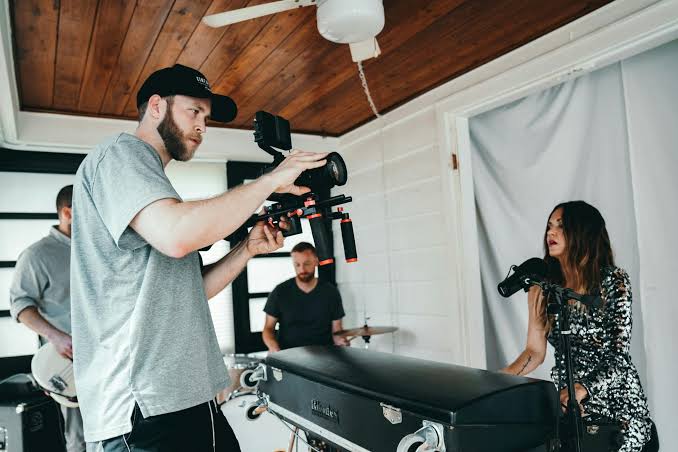
This is where many photographers struggle.
Start with Your Network
Tell:
- Friends
- Family
- Colleagues
- Local business owners
You’d be surprised how many opportunities come from people who already know you.
Join Local Communities
Participate in:
- Business groups
- Facebook groups
- Networking events
Collaborate with Other Businesses
Partner with:
- Makeup artists
- Wedding planners
- Event organizers
- Real estate agents
These relationships can generate consistent referrals.
Ask for Referrals
Happy clients are often your best marketing channel.
Step 9: Deliver an Exceptional Client Experience

Photography isn’t just about taking pictures.
It’s about the entire experience.
Communicate Clearly
Respond quickly.
Answer questions professionally.
Be Reliable
Show up on time.
Deliver images when promised.
Make Clients Comfortable
Many people feel nervous in front of a camera.
Helping them relax often creates better photos.
Step 10: Collect Reviews and Build Trust

Reviews influence purchasing decisions.
After every successful project:
Ask clients for:
- Google reviews
- Facebook reviews
- Website testimonials
Positive reviews can significantly increase inquiries.
Photography Business Tools I Use

Some tools that help photographers stay organized:
Editing
- Adobe Lightroom
- Adobe Photoshop
Gallery Delivery
- Pixieset
- ShootProof
Website
- WordPress
- Squarespace
Contracts
- HoneyBook
- Dubsado
Systems save time and improve professionalism.
Common Mistakes New Photography Business Owners Make

Buying Too Much Gear
Clients care about results, not camera specifications.
Ignoring Marketing
Even amazing photographers need visibility.
Charging Too Little
Low pricing often attracts difficult clients.
Not Having Contracts
Always protect yourself and your clients.
Neglecting Customer Service
Excellent service creates repeat business.
Frequently Asked Questions
Can I start a photography business without experience?
It’s better to develop strong photography skills first, but you don’t need decades of experience to start.
How much does it cost to start a photography business?
Many photographers start with existing equipment and invest gradually. Startup costs vary depending on gear and marketing needs.
What type of photography makes the most money?
Commercial, wedding, and high-end branding photography often have strong earning potential.
Do I need a website?
Yes. A website increases credibility and helps potential clients learn about your services.
How do photographers find clients?
Through referrals, websites, social media, networking, partnerships, and local SEO.
Final Thoughts
If I could give one piece of advice to anyone starting a photography business, it would be this:
Don’t wait until everything feels perfect.
Many successful photographers started with limited equipment, a small portfolio, and very little confidence.
What separated them from everyone else wasn’t talent.
It was consistency.
Focus on improving your skills, serving clients well, and showing your work regularly. Over time, your portfolio grows, your confidence improves, and opportunities begin to appear.
Every successful photography business starts with a single client, a single photoshoot, and a decision to begin.

Leave a Reply