


The first time I truly understood documentary photography wasn’t during a photography class or while reading a photography book. It happened while walking through a local market with my camera.
I had planned to photograph colorful stalls and interesting products. Instead, I found myself drawn to the people. A vendor arranging fresh vegetables before sunrise. A father teaching his young son how to negotiate prices. Elderly shoppers sharing stories while waiting in line.
Those moments weren’t staged.
Nobody asked me to capture them.
Nobody posed for the camera.
Yet those images felt more powerful than many carefully planned photos I had taken before.
That’s when I realized what documentary photography is really about: telling authentic stories through real moments.
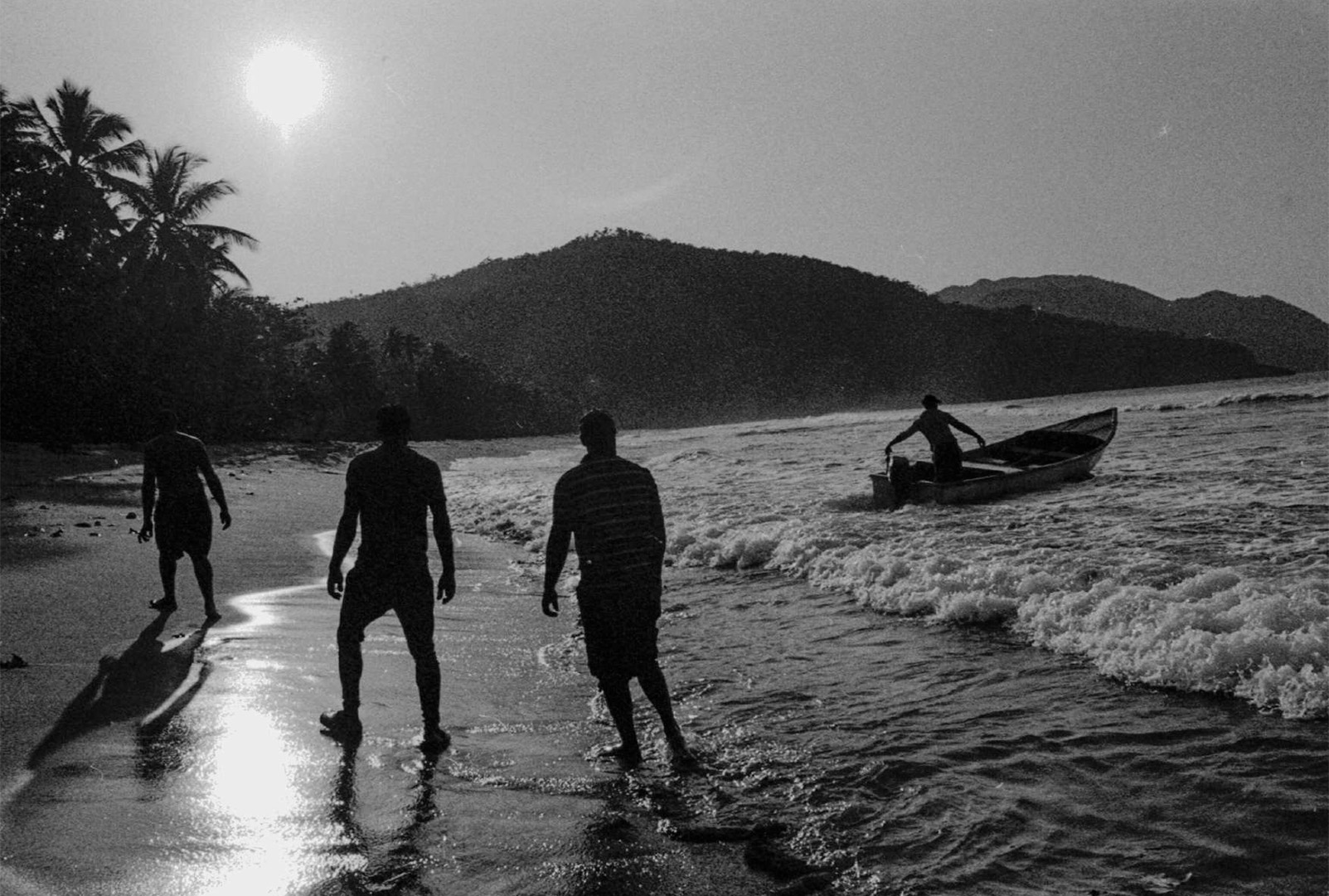
Unlike traditional portrait photography or commercial photography, documentary photography focuses on reality. The goal isn’t to direct or create a scene. The goal is to observe, understand, and document life as it naturally unfolds.
In this guide, I’ll explain what documentary photography is, why it’s important, and how photographers use it to tell meaningful stories.
Quick Answer: What Is Documentary Photography?
Documentary photography is a style of photography that captures real people, real events, and real-life situations to tell a truthful visual story.
Instead of creating or staging scenes, documentary photographers observe and record authentic moments as they happen.
Common documentary photography subjects include:
- Everyday life
- Communities
- Social issues
- Cultural traditions
- Historical events
- Family stories
- Human experiences
The goal is to inform, educate, preserve history, or create awareness through visual storytelling.
What Makes Documentary Photography Different?
Many photography genres focus on creating beautiful images.
Documentary photography focuses on creating meaningful images.
Beauty can be part of the photograph, but storytelling is usually the priority.
Real Moments
The most important characteristic of documentary photography is authenticity.
Photographers capture:
- Genuine emotions
- Natural interactions
- Unscripted situations
Minimal Direction
Documentary photographers generally avoid controlling the scene.
Instead of asking someone to pose, they observe and photograph naturally occurring moments.
Storytelling
Every image contributes to a larger narrative.
A single photograph can communicate:
- Emotion
- History
- Culture
- Human experiences
The Purpose of Documentary Photography
Documentary photography serves many purposes.
Preserving History
Some of the world’s most important historical events have been documented through photography.
Images help future generations understand the past.
Raising Awareness
Documentary photography often highlights:
- Social challenges
- Environmental issues
- Humanitarian efforts
- Community stories
Strong photographs can encourage discussion and action.
Recording Everyday Life
Not every documentary project focuses on major events.
Many photographers document ordinary moments because today’s everyday life becomes tomorrow’s history.
Types of Documentary Photography
Documentary photography includes many different approaches.
Social Documentary Photography
Focuses on communities, social conditions, and societal issues.
Subjects may include:
- Education
- Healthcare
- Poverty
- Employment
- Community development
The goal is often to increase understanding and awareness.
Cultural Documentary Photography
Documents traditions and ways of life.
Examples include:
- Festivals
- Religious ceremonies
- Traditional crafts
- Cultural celebrations
These photographs help preserve cultural heritage.
Family Documentary Photography
Family documentary photography captures authentic family life.
Instead of posed portraits, photographers document:
- Daily routines
- Interactions
- Milestones
- Genuine emotions
Environmental Documentary Photography
Focuses on environmental topics.
Subjects may include:
- Wildlife conservation
- Climate change
- Natural landscapes
- Human impact on nature
Historical Documentary Photography
Documents significant events and periods of time.
These images often become valuable historical records.
Documentary Photography vs Photojournalism
People often confuse documentary photography and photojournalism.
While they share similarities, they are not identical.
Documentary Photography
Typically explores a story in depth over time.
Projects may take:
- Weeks
- Months
- Years
The photographer often develops a deep understanding of the subject.
Photojournalism
Focuses on reporting news and current events.
The goal is usually to inform the public quickly and accurately.
Both styles value truth and authenticity.
Essential Skills for Documentary Photographers
Over the years, I’ve learned that successful documentary photography requires more than technical camera knowledge.
Observation
The ability to notice meaningful moments is critical.
Many great photographs happen in seconds.
Patience
Documentary photography often involves waiting.
Some of my favorite images came after hours of observation.
Empathy
Understanding people helps photographers tell better stories.
Building trust often leads to more authentic photographs.
Storytelling
Every photograph should contribute to a larger narrative.
A strong documentary project feels like a visual story rather than a collection of random images.
Equipment for Documentary Photography
Documentary photography doesn’t require expensive equipment.
Many powerful documentary projects have been created with simple cameras.
Camera
A reliable camera that performs well in various lighting conditions is ideal.
Lens
Many documentary photographers prefer:
- 35mm lenses
- 50mm lenses
- 24-70mm zoom lenses
These focal lengths provide flexibility while maintaining a natural perspective.
Comfortable Gear
Since documentary projects often involve long periods of shooting, lightweight equipment can be beneficial.
How Documentary Photographers Tell Stories
Focus on Moments
Rather than creating scenes, documentary photographers wait for moments to happen naturally.
Capture Context
Wide shots help viewers understand the environment.
Photograph Details
Small details often strengthen the story.
Examples include:
- Hands at work
- Personal belongings
- Signs of daily life
Include Emotion
Emotion helps viewers connect with the story.
Authentic expressions often create the strongest images.
Ethical Considerations in Documentary Photography
Ethics play a major role in documentary work.
Respect Subjects
People should be treated with dignity and respect.
Represent Reality Accurately
Documentary photography aims to present truthful visual information.
Build Trust
Trust between photographer and subject often leads to stronger and more meaningful photographs.
Understand Local Culture
Respecting cultural norms is essential when documenting communities.
Common Documentary Photography Mistakes
Focusing Only on Technical Perfection
A powerful story is often more important than perfect camera settings.
Interrupting Natural Moments
Over-directing can reduce authenticity.
Ignoring Context
Photographs should help viewers understand the bigger story.
Being Impatient
Some stories require time to unfold naturally.
How to Start Documentary Photography
If you’re interested in documentary photography, start close to home.
Document:
- Your neighborhood
- Local businesses
- Community events
- Family traditions
- Everyday routines
Many meaningful stories exist in ordinary places.
You don’t need to travel across the world to create powerful documentary photographs.
Frequently Asked Questions
What is documentary photography?
Documentary photography is the practice of photographing real people, events, and situations to tell authentic visual stories.
Is documentary photography staged?
Generally, no. Documentary photography focuses on real moments rather than staged scenes.
What is the purpose of documentary photography?
The purpose is to inform, preserve history, tell stories, and create awareness through visual storytelling.
What lens is best for documentary photography?
Many photographers prefer 35mm or 50mm lenses because they create natural-looking images while allowing photographers to stay close to the action.
Can beginners do documentary photography?
Absolutely. Documentary photography is accessible to photographers of all skill levels.
What is the difference between documentary photography and photojournalism?
Documentary photography often explores long-term stories, while photojournalism primarily focuses on reporting current events and news.
Final Thoughts
Documentary photography has changed the way I see the world.
Instead of constantly searching for perfect locations or dramatic landscapes, I’ve learned to appreciate the stories unfolding around me every day.
A documentary photographer doesn’t simply take pictures.
They observe.
They listen.
They understand.
And then they use photography to preserve moments that might otherwise be forgotten.
Whether you’re documenting your family, your community, cultural traditions, or social issues, documentary photography offers a powerful way to tell stories that matter.
In many ways, it reminds us that some of the most meaningful photographs are not the ones we create—they’re the ones we discover.

Leave a Reply