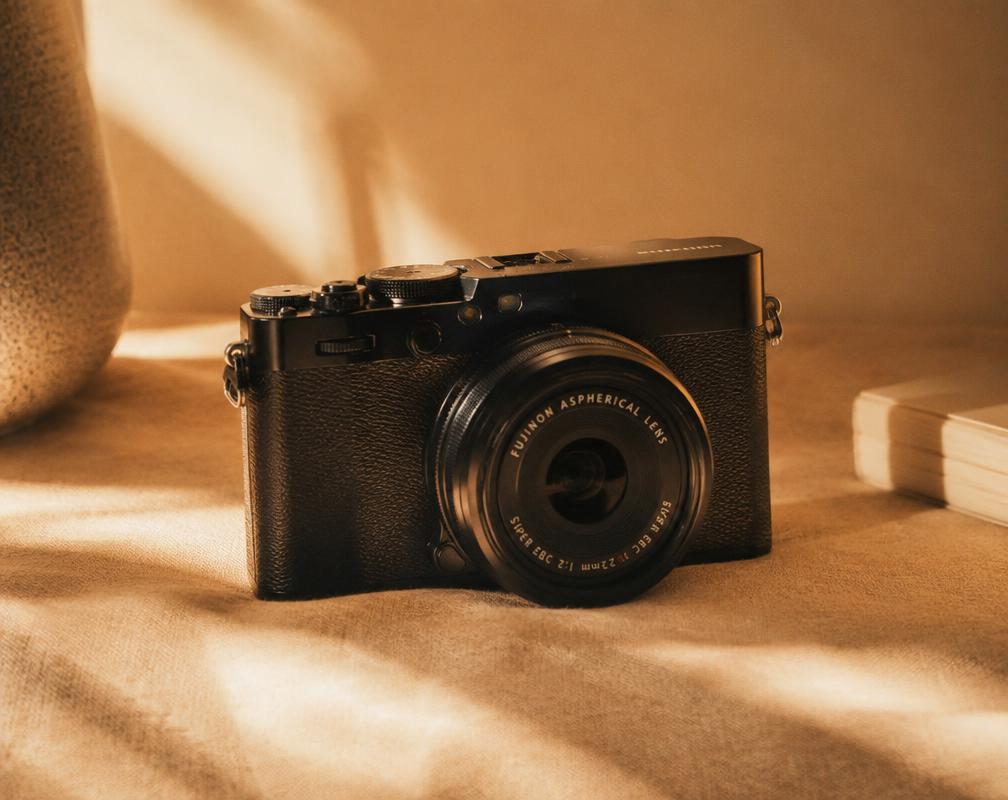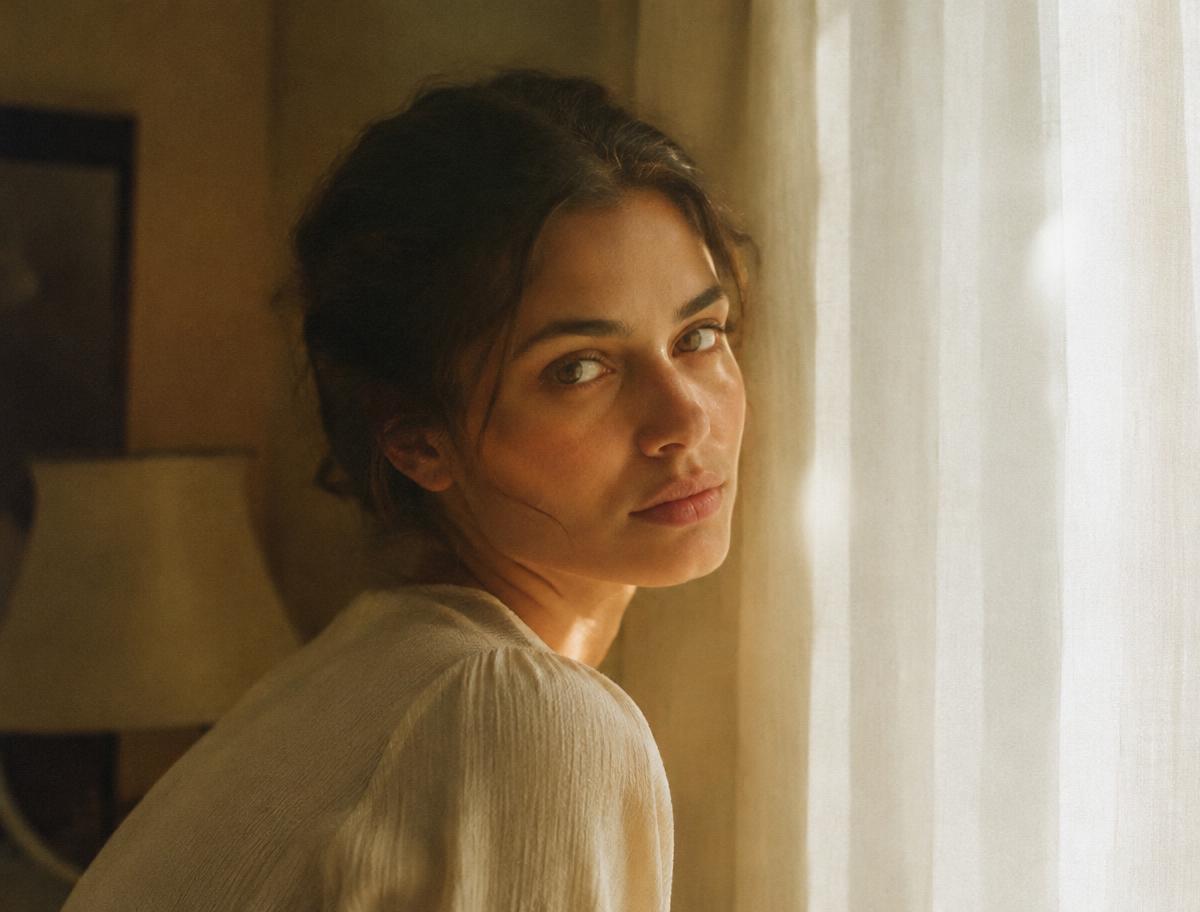
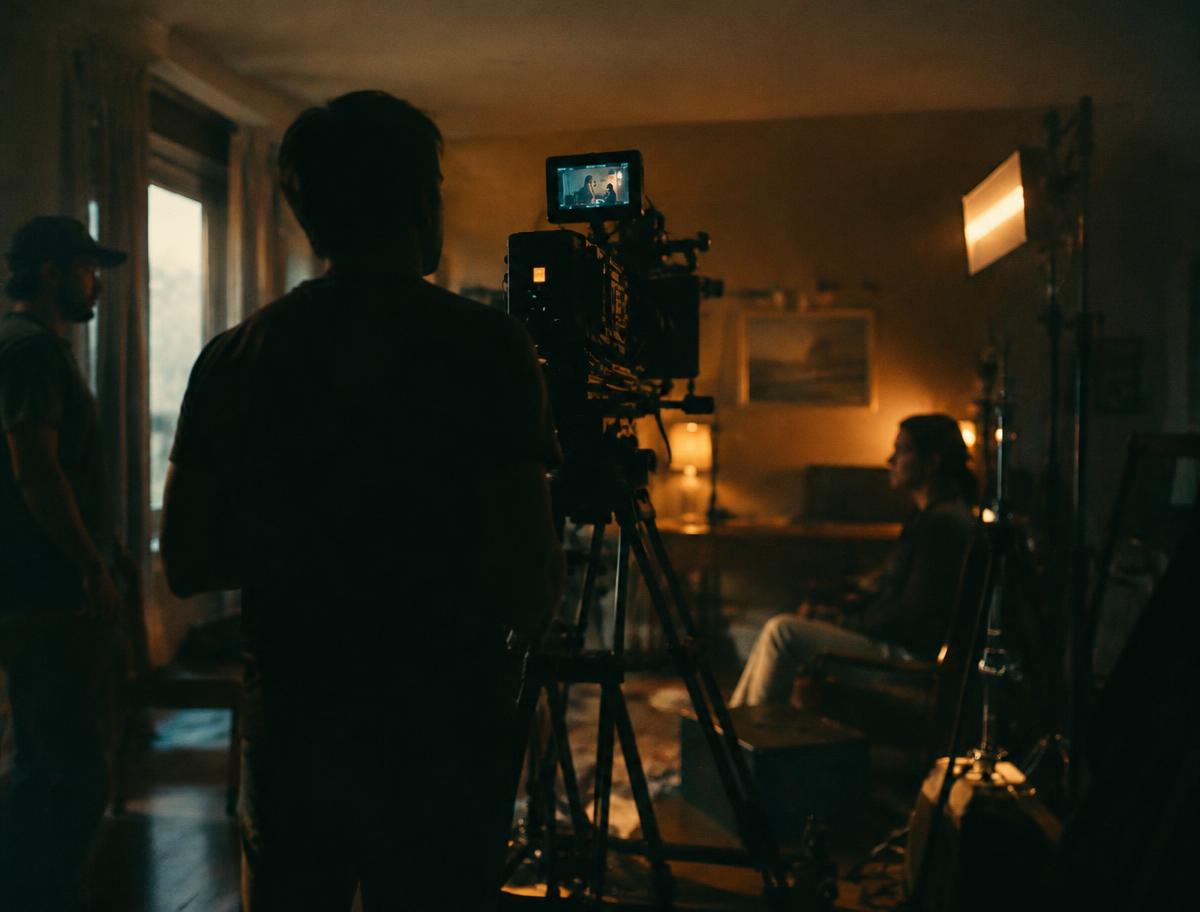
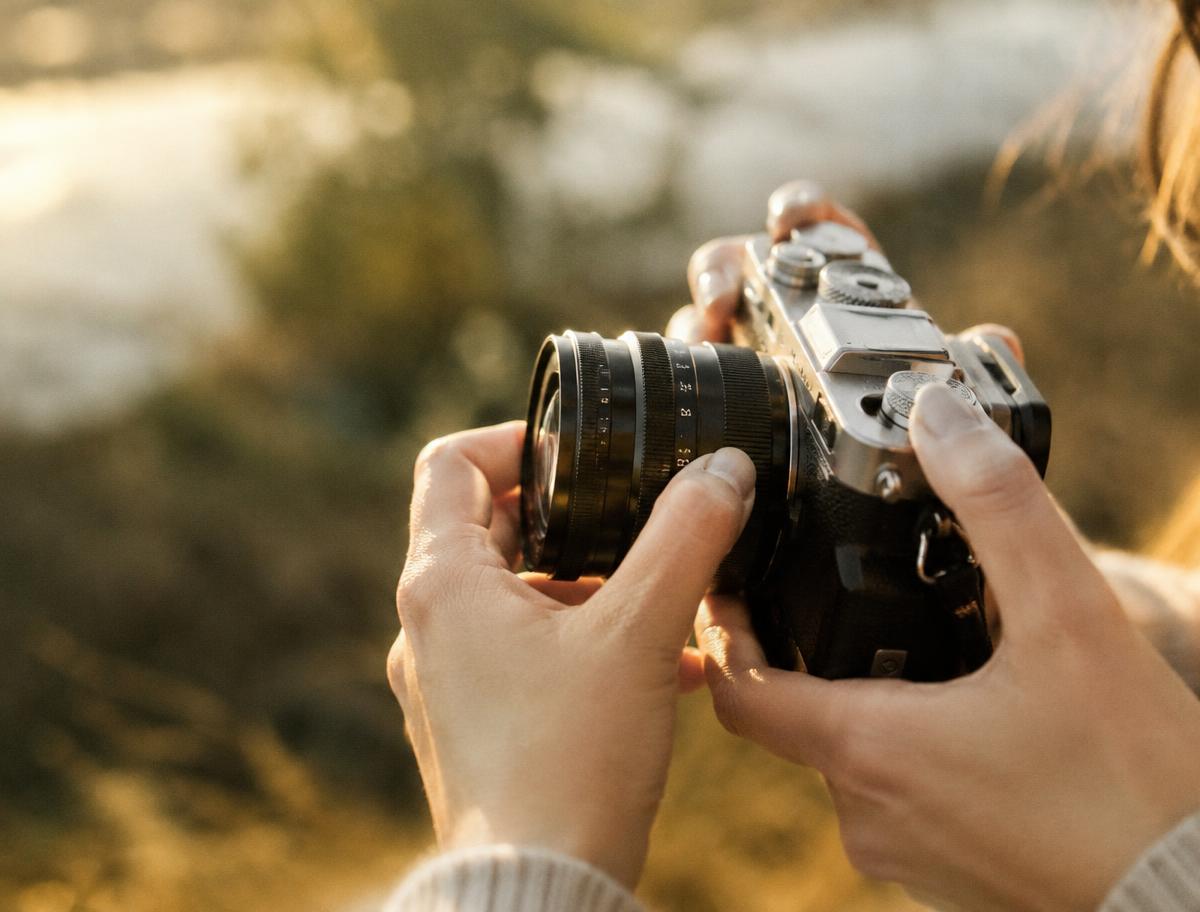
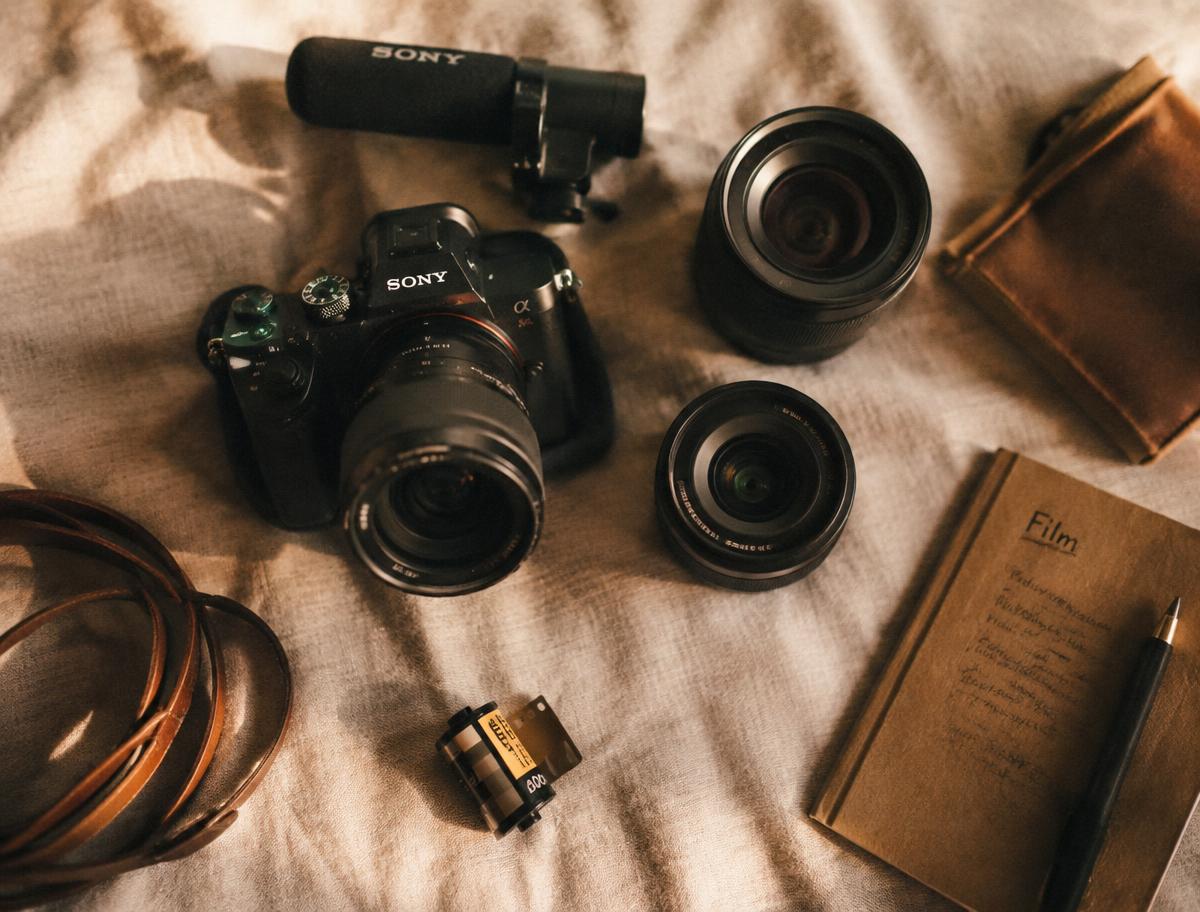
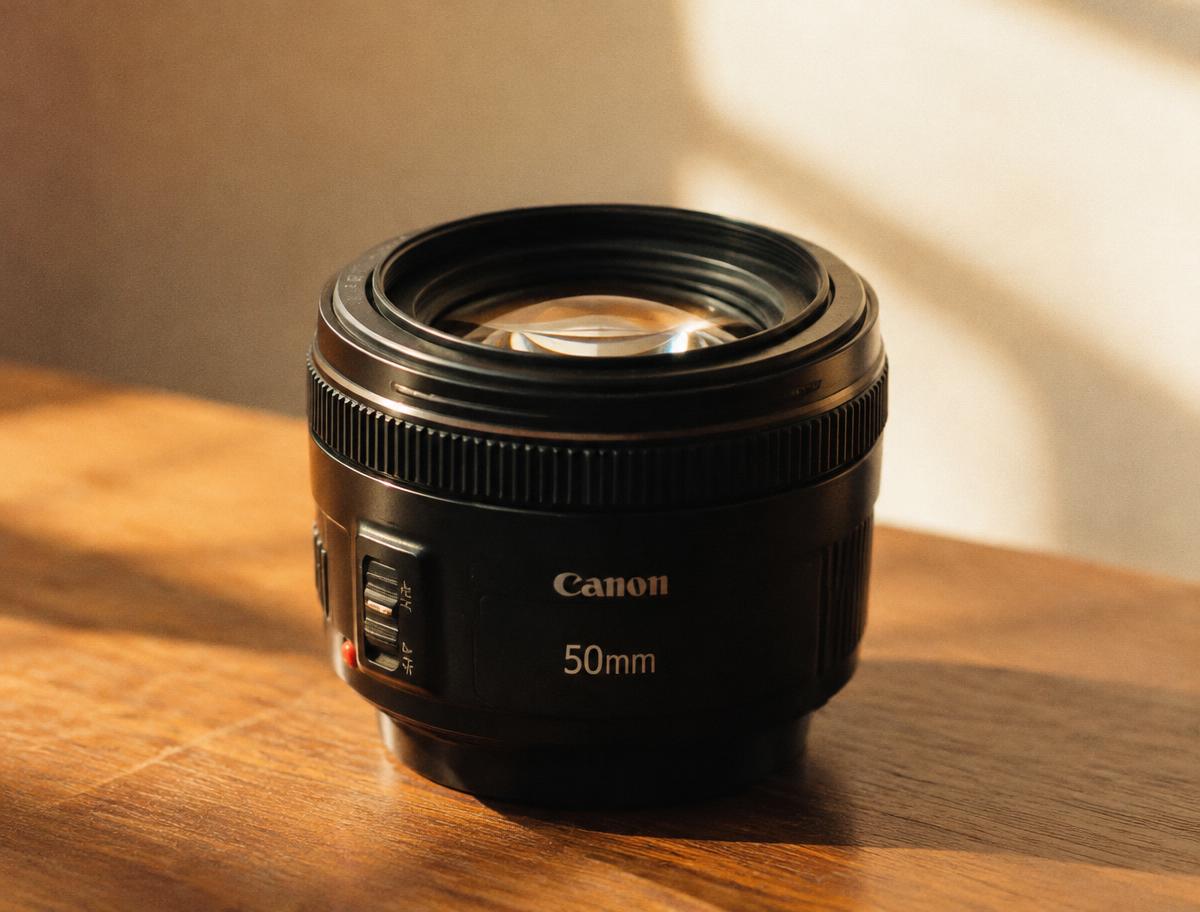
A prime lens has one focal length and no zoom. That limitation is exactly why it's the fastest way to improve: you move your feet, think about framing and learn what a focal length feels like.
01Why a prime first
Primes are smaller, sharper and much brighter than kit zooms. An f/1.8 lens gathers roughly four times more light than an f/3.5 zoom — cleaner low-light shots and real background blur.
0235mm: the storyteller
Close to how we see a room. Ideal for street, travel and environmental portraits where the setting matters. On a crop-sensor camera, look for a 23–24mm to get the same view.
0350mm: the all-rounder
Natural perspective, flattering for half-body portraits and cheap to buy. If you're unsure, start here. Crop-sensor equivalent: around 33–35mm.
0485mm: the portrait lens
Compresses features pleasantly and melts backgrounds. Brilliant for headshots, but it needs space and can feel tight indoors.
05Our recommendation
Shoot a week with your kit zoom taped at 35mm, then a week at 50mm. Whichever produced more keepers is your first prime.
Was this guide helpful?
Ask about this guide
Written by
Maya Laurent
Portrait and documentary photographer for 12 years. Maya edits our photography guides and still shoots mostly on a 35mm and a 50mm prime.