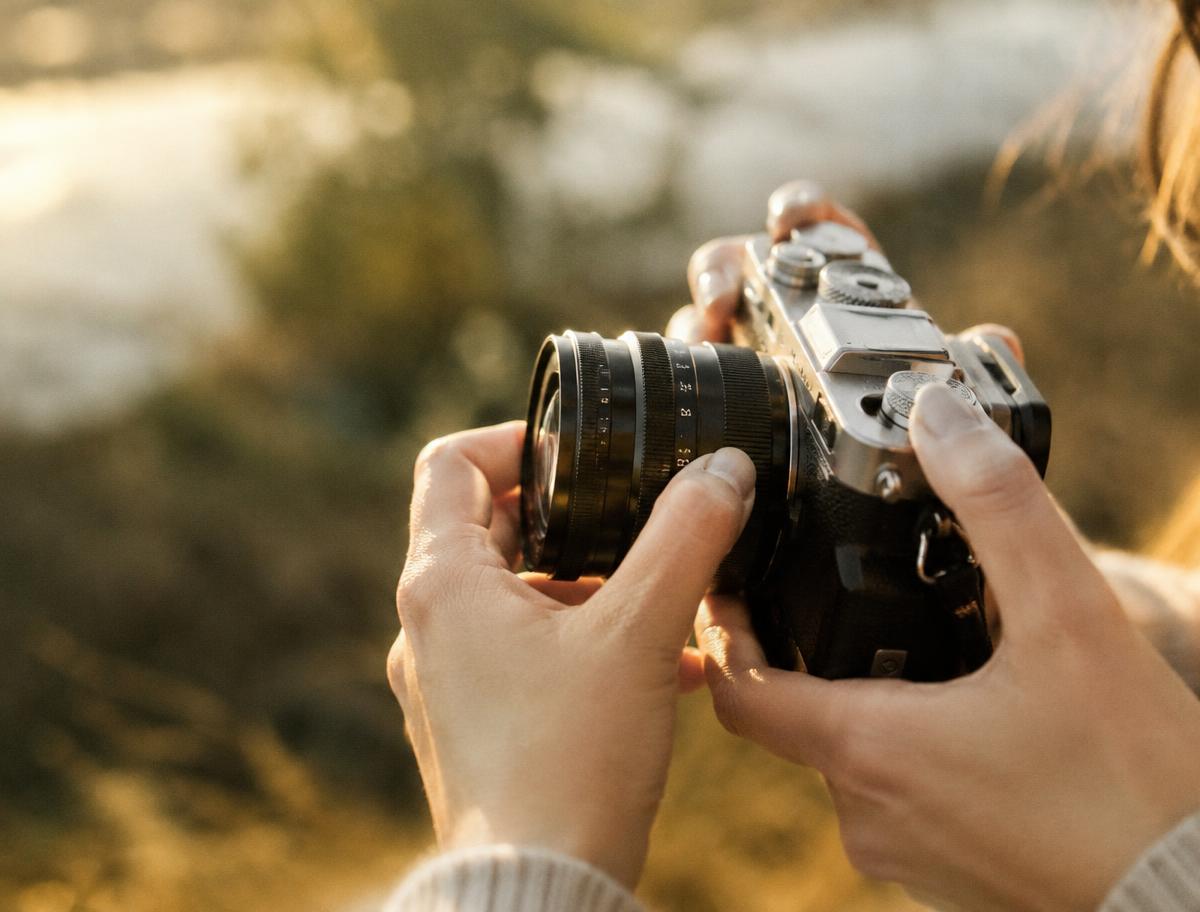
Every photograph is a measured amount of light. The exposure triangle is simply the three controls that decide how much light reaches your sensor — and what side effects each one brings.
01Aperture: the size of the opening
Measured in f-stops, aperture controls how wide the lens opens. A low number like f/1.8 lets in lots of light and blurs the background; f/11 keeps more of the scene sharp. Use wide apertures for portraits and narrow ones for landscapes.
02Shutter speed: the length of the moment
A fast shutter (1/1000s) freezes a running dog mid-stride. A slow one (1/15s) blurs motion and invites camera shake. A good handheld rule: keep shutter speed at least 1/focal length.
03ISO: the sensor's sensitivity
Raising ISO brightens the image electronically, at the cost of noise. Modern cameras stay clean up to ISO 3200 or beyond, so don't fear it — a sharp, slightly noisy photo beats a blurry clean one.
04Putting it together
Pick the setting that matters most for your shot first, then balance the other two. Try aperture priority mode for a week — it's the best training wheels in photography.
Was this guide helpful?
Ask about this guide
Written by
Maya Laurent
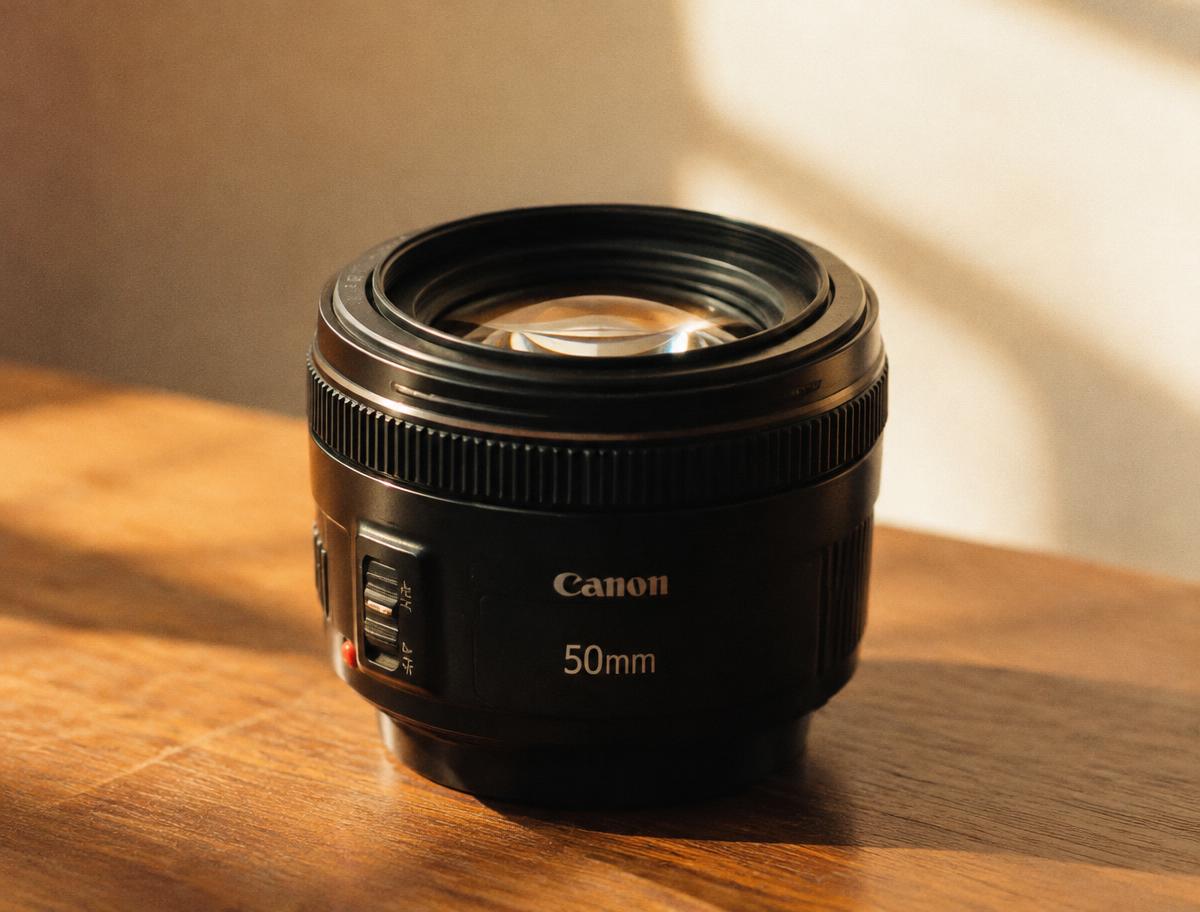
Portrait and documentary photographer for 12 years. Maya edits our photography guides and still shoots mostly on a 35mm and a 50mm prime.