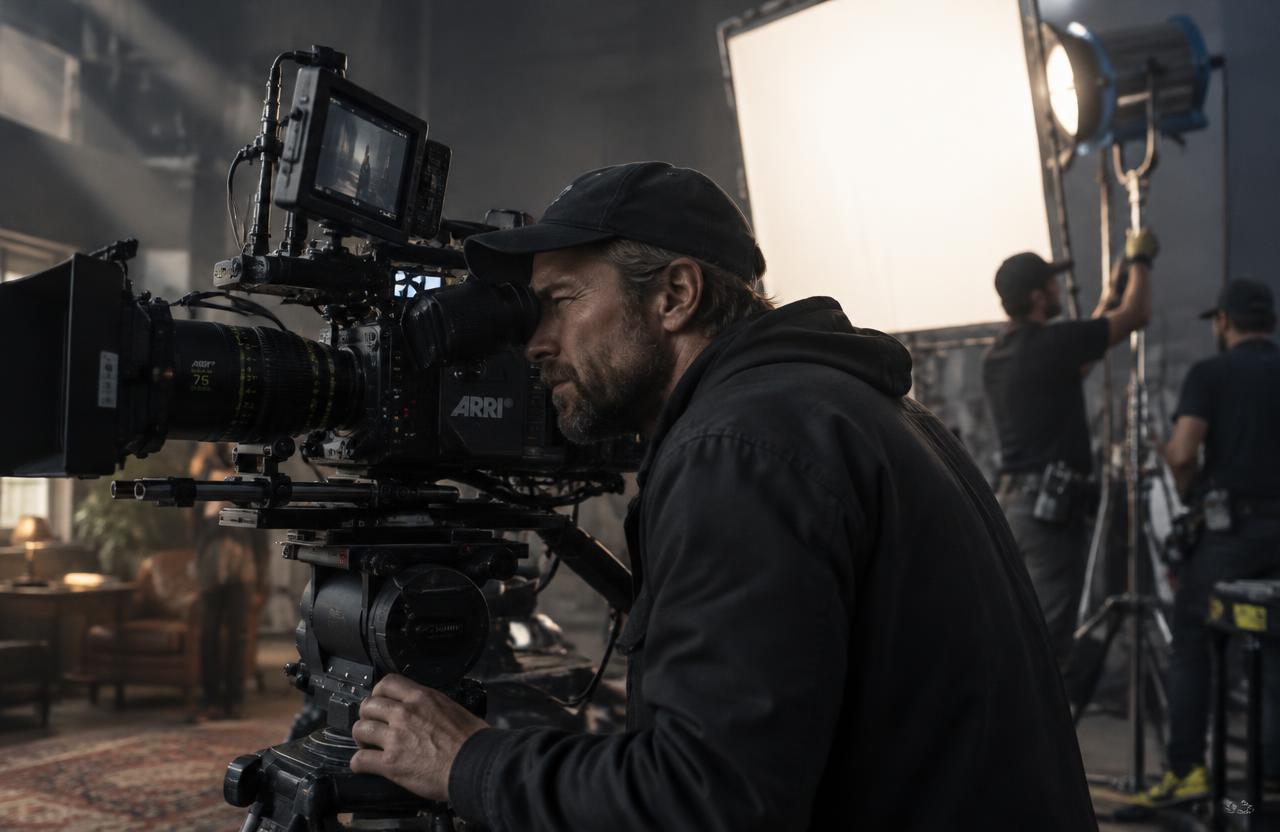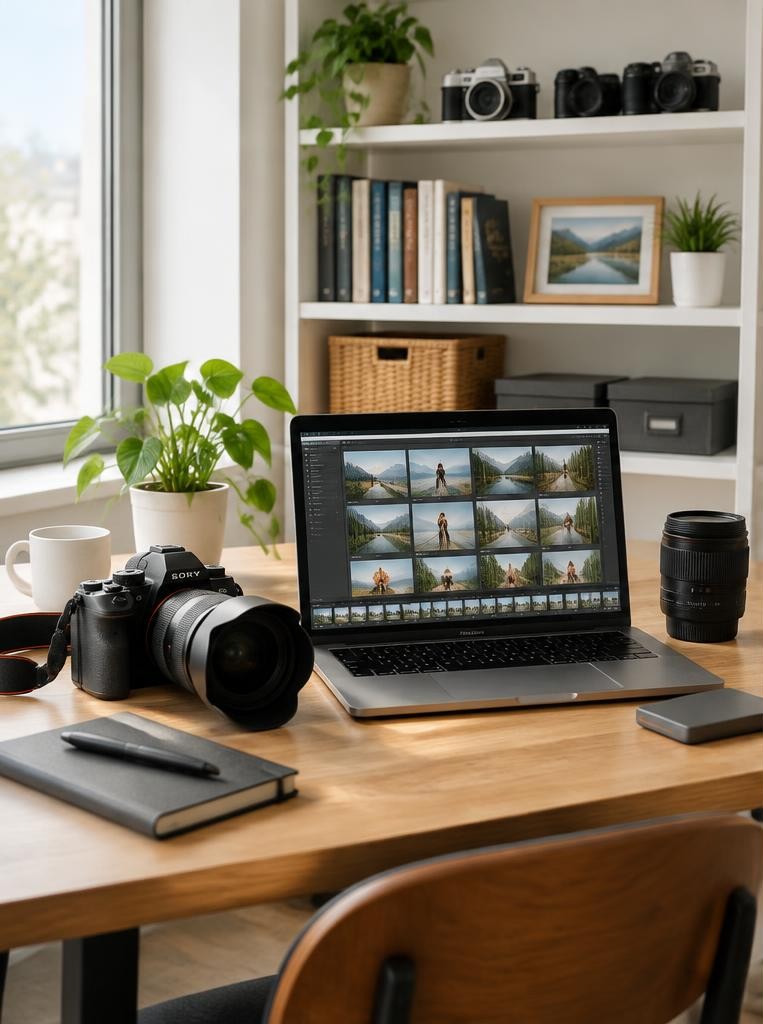
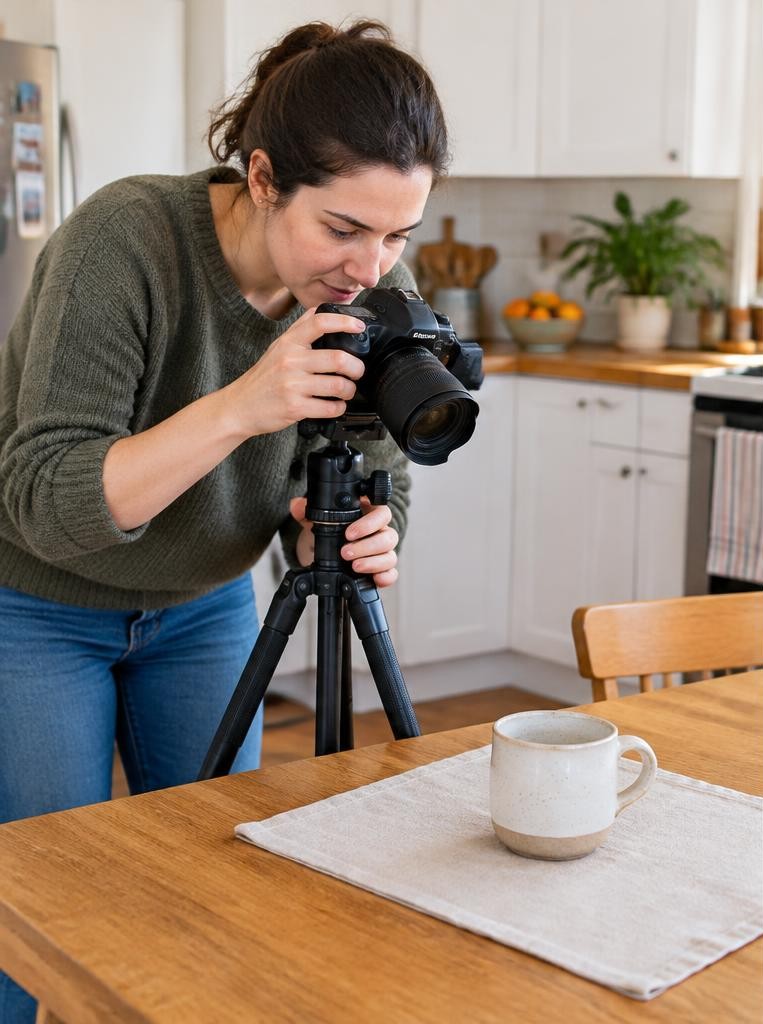
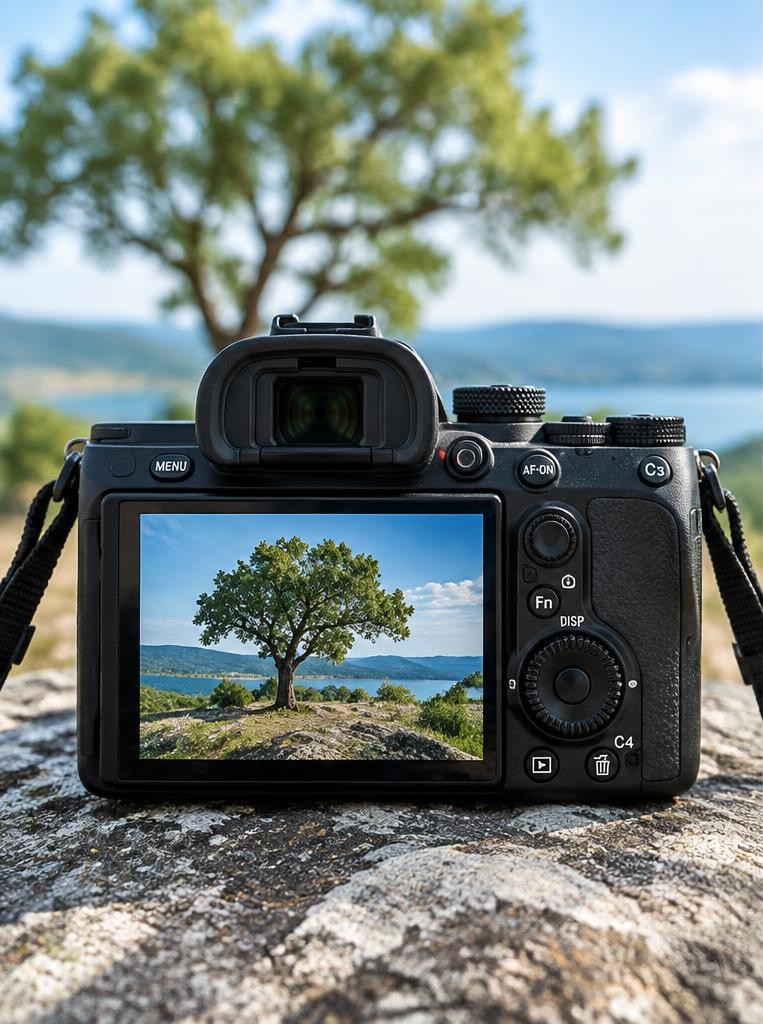

Branding photography is photography created to communicate a business’s identity through a coordinated collection of images. It can include portraits, products, working environments, processes, and details. The connecting thread is a brief: what should people understand about this business, and where will the photographs appear? A single attractive portrait may be part of that collection, but branding photography is broader than a headshot session. Its purpose is to create usable visual material that feels appropriate to the business across websites, marketing campaigns, presentations, and other agreed channels.
01Brand photographs versus a photographer’s own brand
Two related ideas often get mixed together. Photographing a client’s brand means translating that client’s identity into images.
Building your own photography brand means defining and presenting your services, style, and positioning as a photographer.
Adobe’s photography branding and marketing article primarily discusses the second task, including consistency between a photographer’s portfolio and client expectations. That principle is useful here, but the identities must remain separate.
A client should not receive your favorite aesthetic automatically if it contradicts the message their business needs to communicate.
02How it differs from headshots and product photography
A headshot usually concentrates on a person’s professional appearance. Product photography concentrates on an item, its features, or its presentation.
Branding photography can contain both, while connecting them with images of context, people, and activity.
For example, a bakery might need a founder portrait, an accurate photograph of a packaged loaf, hands shaping dough, and a wide view of the shop. Each image answers a different question.
The branding brief makes them belong together, rather than turning every photograph into the same pose or decorative scene.
03Start with the audience and a concrete message
Before discussing props, ask who needs to recognize or trust the business. Then define what the images should help that audience understand.
Replace vague instructions such as “make it premium” with observable choices: uncluttered backgrounds, careful material detail, restrained styling, and attentive service.
Adobe’s brand-style-guide guidance recommends establishing identity and values before setting visual rules. Apply that order to the shoot.
Three clear attributes are easier to translate into pictures than a long list of contradictory adjectives, especially when several people must approve the final photographs.
04Turn identity into a visual brief
Write a short brief covering audience, message, locations, people, products, lighting character, color relationships, and intended uses. Include reference images with explanations of what you want to borrow: perhaps relaxed expressions or spacious framing, not another business’s distinctive execution.
Adobe’s guidance on brand-consistent photography emphasizes recurring lighting, backgrounds, framing, and visual tone. Treat these as adjustable guidelines rather than rigid copying instructions.
A workshop portrait and a product close-up can look related through color and light even when their compositions are deliberately different.
05Build the shot list around placements
List actual destinations before listing poses. A website header may require a wide composition with empty space for text.
A staff directory needs consistent portraits. A vertical campaign placement may need a separate composition rather than an aggressive crop of the header photograph.
For every essential image, record the subject, intended placement, orientation, required negative space, and approval owner. Ask the designer for specifications when available.
This prevents a familiar disappointment: delivering attractive photographs that cannot accommodate a headline, fit the layout, or show the product clearly at its eventual display size.
Worked example
06A worked shot-count and schedule example
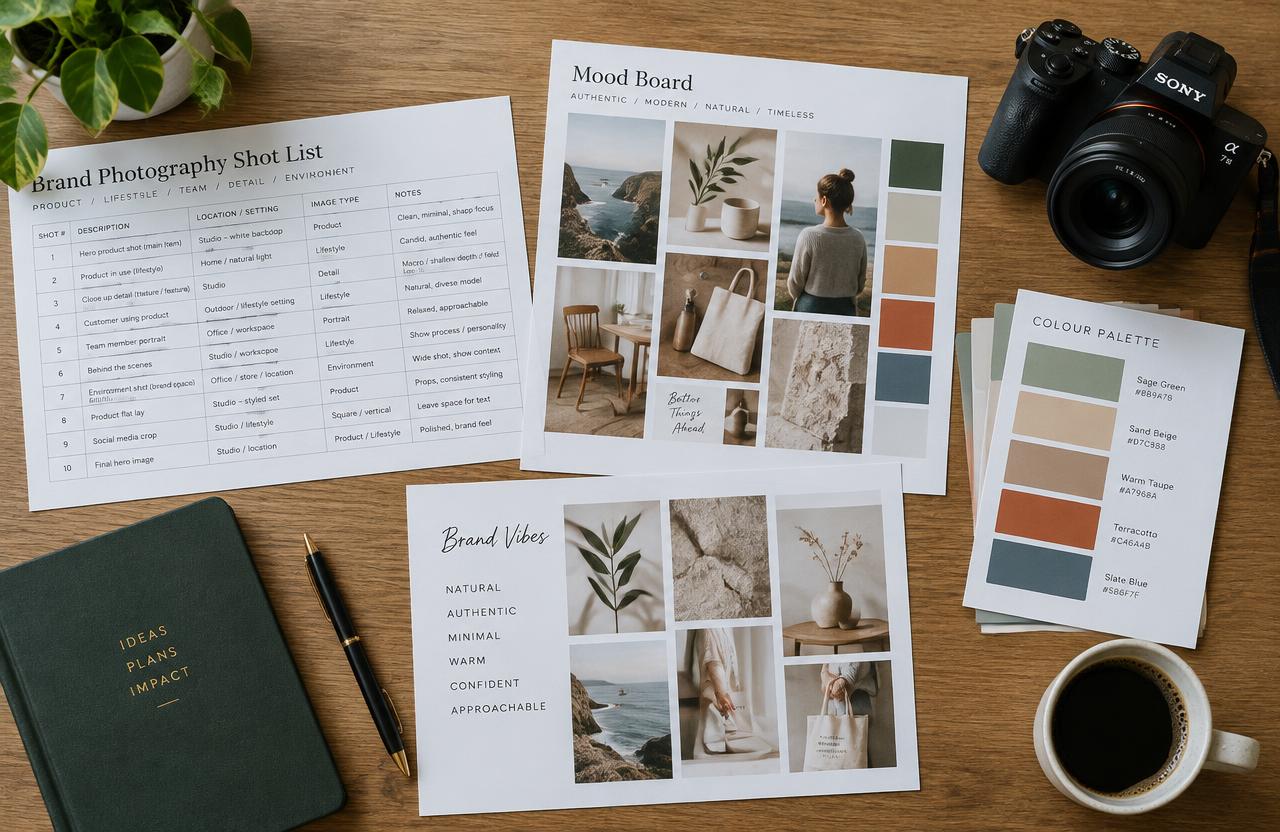
Suppose a hypothetical consultant needs four website images, six social images, three process details, and two portraits. That totals fifteen final photographs, but not necessarily fifteen separate setups.
Some carefully planned setups can produce several distinct images.
Imagine scheduling four setups at twenty minutes each: eighty minutes. Add twenty minutes for preparation and twenty for transitions, giving a two-hour plan.
These are planning assumptions, not industry benchmarks. If the brief adds another location requiring thirty minutes of travel, revise the schedule or reduce the shot list rather than pretending travel takes no time.
07Prepare people, spaces, and recognizable details
Confirm who will appear and explain what they will be doing. Give practical wardrobe guidance that respects comfort and the brand’s context.
Prepare workspaces by removing distracting clutter without stripping away every sign of genuine activity.
Check packaging, screens, signage, and background paperwork for outdated information or sensitive material. Arrange permissions before photographing identifiable people or private locations.
Consent, releases, and permitted uses depend on circumstances and jurisdiction, so obtain appropriate professional advice where needed. A tidy brief cannot substitute for a clear agreement about how photographs will be used.
08Direct believable activity rather than empty gestures
Ask subjects to perform recognizable tasks: inspect a finished object, prepare a consultation, arrange ingredients, or explain a process. Photograph the task from a useful angle, then refine hand placement and sightlines without inventing misleading activity.
For portraits, offer specific prompts rather than demanding authenticity on command. Ask someone to turn toward the light, relax their shoulders, or explain what they are working on.
Capture a range of expressions appropriate to the business. Serious expertise and approachable service do not always require the same smile in every frame.
09An illustrative brand story
Imagine a hypothetical independent repair shop whose initial brief requests “luxury-looking photographs.” Discussion reveals that customers primarily worry about whether repairs are careful and understandable. Glossy anonymous interiors would do little to answer that concern.
The revised collection shows the technician explaining a component, labeled parts arranged neatly, a welcoming counter, and a clear portrait. Warm but neutral light connects the images.
This fictional example illustrates a useful decision: photograph evidence of the promised experience rather than relying entirely on a fashionable visual style to imply qualities the images never actually show.
10Edit for consistency without distorting the business
Choose a representative image from each lighting setup and establish sensible exposure, white balance, and color. Then compare the collection as a group.
Consistency means compatible treatment, not identical brightness when the real scenes differ.
Pay particular attention to skin, packaging, clothing, and materials whose colors matter. A dramatic preset may make the collection feel coordinated while making products inaccurate.
Preserve originals and review final exports at useful sizes. Check that crops still leave room for the copy and interface elements identified in the brief, rather than evaluating only full-size photographs.
Troubleshooting
11Troubleshoot generic images and unclear scope
If the photographs could represent almost any competitor, introduce meaningful specifics: distinctive tools, actual team interactions, recognizable surroundings, or a real stage in the service process. Avoid adding random props merely to fill empty space.
If every image feels different, revisit lighting, color, background choices, and direction. If the project expands unexpectedly, compare the request with the written scope.
Clarify final image count, selection process, revision limits, delivery formats, deadlines, and permitted uses before proceeding. Pricing should reflect the actual brief and agreement, not an unexplained universal package number.
FAQ
12Common questions before booking
Do you need a personal brand to benefit? No. A product company, studio, charity, or team can also need a coherent image library. Must you hire a photographer? Not necessarily: a small business can begin with careful self-produced images, then commission work when complexity or requirements justify it.
How often should photographs be updated? When the existing library no longer represents the people, products, location, or intended message. Before booking, confirm the business objective, essential placements, visual brief, permissions, scope, and delivery needs. Those decisions make the session more useful than buying a large image count without a plan.
Sources & further reading
These references support the technical explanations. Exercises and starting settings are illustrative and should be adapted to your equipment and conditions.
- Adobe: Photography branding and marketing
- Adobe: Create a brand style guide
- Adobe Express: Brand-consistent photography tips for small businesses
Free resources from LensSuite
Was this guide helpful?