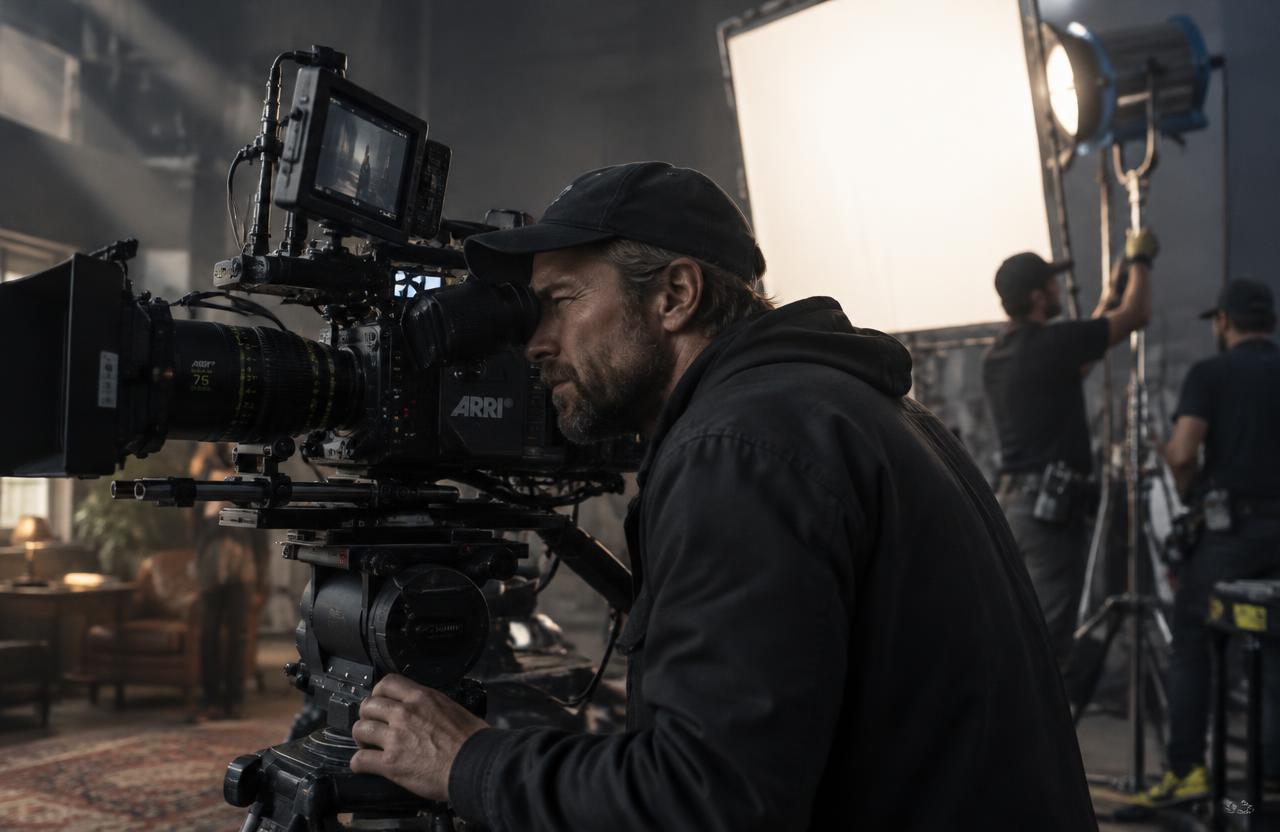
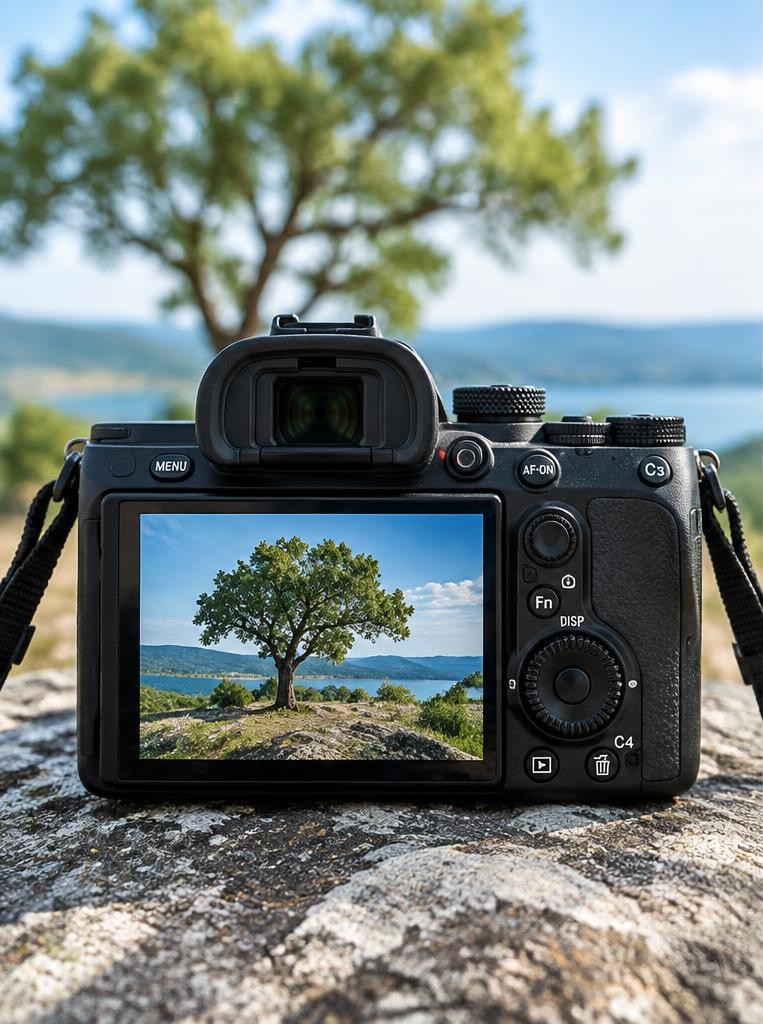
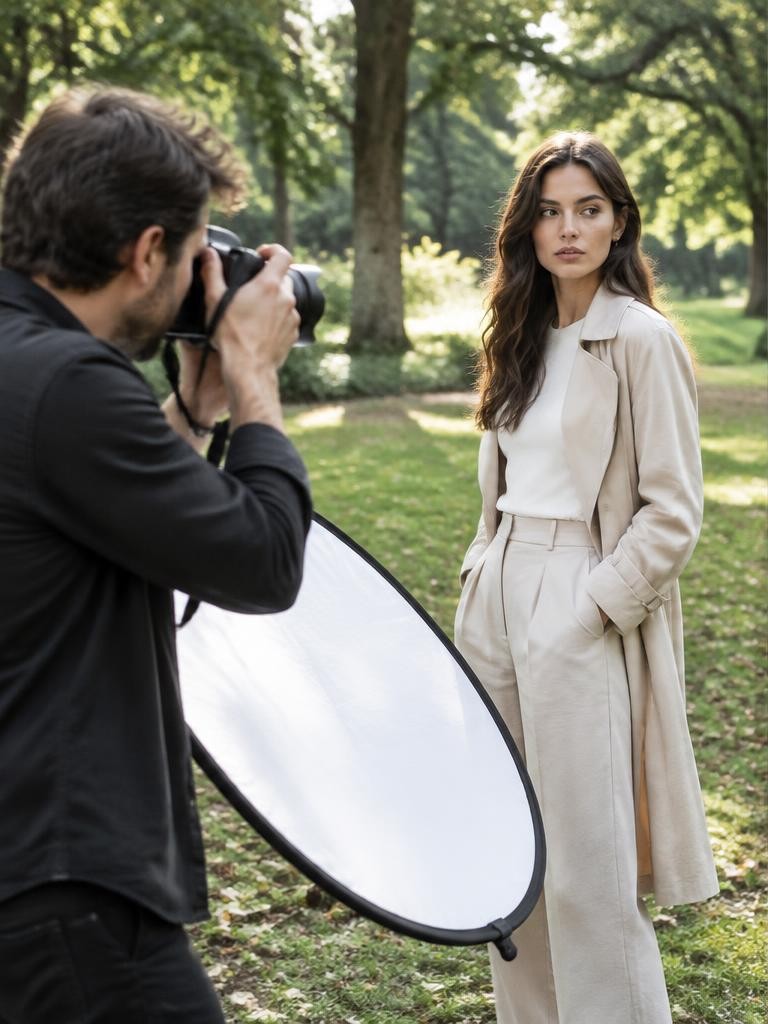
TFP means “time for prints,” often understood today as time for photos: participants contribute their time and skills in exchange for agreed photographs rather than a normal session fee. A photographer, model, stylist, or makeup artist might collaborate to build portfolios or test a creative idea. It is not automatically unpaid work with unlimited obligations, and it does not automatically grant unrestricted image rights. A successful TFP shoot defines the creative goal, expenses, deliverables, permissions, and deadline before anybody travels. Treat it as a small joint project, not an informal promise to send something eventually.
011. Decide whether the exchange is worthwhile
Start with what each person needs. A portrait photographer might need stronger outdoor lighting examples; a model might need natural expressions and a full-length portfolio image.
Those goals can fit together. A photographer wanting only abstract silhouettes and a model needing clear agency-style portraits may be a poor match.
Discuss the finished result rather than judging the opportunity by follower counts. Ask what the other participant will actually be able to use.
If a paying client needs guaranteed commercial deliverables, a properly commissioned shoot may be more suitable than presenting that job as portfolio collaboration.
022. Check collaborators and set boundaries
Review complete recent shoots, not just a handful of highlights. Ask about reliability, working style, accessibility, and whether a support person can attend.
Confirm that everyone understands the planned clothing, location, and posing. This guide assumes consenting adult participants; projects involving children require different safeguards and locally appropriate arrangements.
Share names and contact details for everyone attending. Avoid unexplained last-minute location changes or pressure to accept new concepts.
Participants should be able to pause or decline a pose without being mocked, threatened, or told they have wasted the team’s time.
033. Write a one-page creative brief
Choose one clear concept and a short shot list. For example: soft window portraits, a neutral wall, two fully clothed outfits, and a combination of close, medium, and full-length frames.
Include three reference images as discussion aids, not instructions to copy another photographer’s work exactly. Note which equipment, garments, makeup, and props each person brings.
Specify access needs, changing arrangements, and an indoor alternative if weather fails. Keep the plan achievable within the available session.
A focused ninety-minute shoot can produce a stronger portfolio set than five unrelated concepts rushed through one afternoon.
044. Define the actual photo exchange
Replace “some edited pictures” with measurable terms. An illustrative agreement could promise six finished JPEGs, selected from a proof gallery, delivered within twenty-one calendar days.
State who selects the images, their approximate resolution, whether both web and print versions are included, and whether watermarks appear. Explain what editing means: exposure, colour, crop, and agreed minor cleanup, for example.
Do not promise every exposure or RAW files unless that is deliberate. ASMP specifically recommends clarifying print or file quantities, selection, and permitted uses when photographs form the exchange.
055. Separate copyright, usage, and releases
These are different questions. Copyright concerns ownership of the photograph; an image licence specifies permitted uses; a model release addresses agreed uses of a person’s likeness.
In the United States, original photographs generally receive copyright protection when created, although ownership can involve exceptions and contractual arrangements. Other jurisdictions differ.
Do not assume that posing, receiving files, or crediting someone transfers copyright. Write down whether portfolio sites, personal social accounts, paid advertisements, stock submissions, or third-party brand campaigns are permitted.
The U.S. Copyright Office explains the basic protection and ownership framework.
066. Negotiate publication without surprises
Discuss image publication before shooting, not after someone discovers a portrait in an advertisement. A practical collaboration can permit both parties’ portfolios while excluding stock licensing and unrelated commercial campaigns unless separately agreed.
Specify credits and whether either participant has a review opportunity before publication. Avoid promising absolute withdrawal from every future copy once images are public; screenshots and third-party reposts complicate that.
Instead, describe how removal requests will be handled for channels the participants control. Use a locally reviewed agreement when privacy, publicity rights, sensitive themes, or commercial licensing create significant risk.
077. Make expenses and cancellations explicit
No session fee does not mean no costs. List studio hire, transport, parking, styling materials, meals, and equipment rental.
An illustrative arrangement might have the photographer cover the studio while each participant pays their own travel; that is an example, not an industry rule. Obtain approval before committing anyone else to expenses.
Set a cancellation contact method, weather decision time, and rescheduling process. Explain what happens to a non-refundable venue deposit.
This prevents a voluntary creative project from turning into an unexpected invoice or an argument over who was supposed to book the room.
Try this
088. Run the session in small stages
Begin by reviewing the brief and confirming boundaries. Make a few test photographs, check light and focus, and show enough previews to establish a shared direction.
Work through the essential shots first, then experiment. Give specific, respectful directions such as turning toward the window or relaxing a shoulder instead of criticising someone’s body.
Ask before touching clothing or adjusting hair. Build in breaks and keep an eye on the agreed finish time.
If a new idea emerges, ask whether everyone wants to try it; agreement to the original concept is not agreement to every possible variation.
09Illustrative scenario: a six-image portfolio exchange
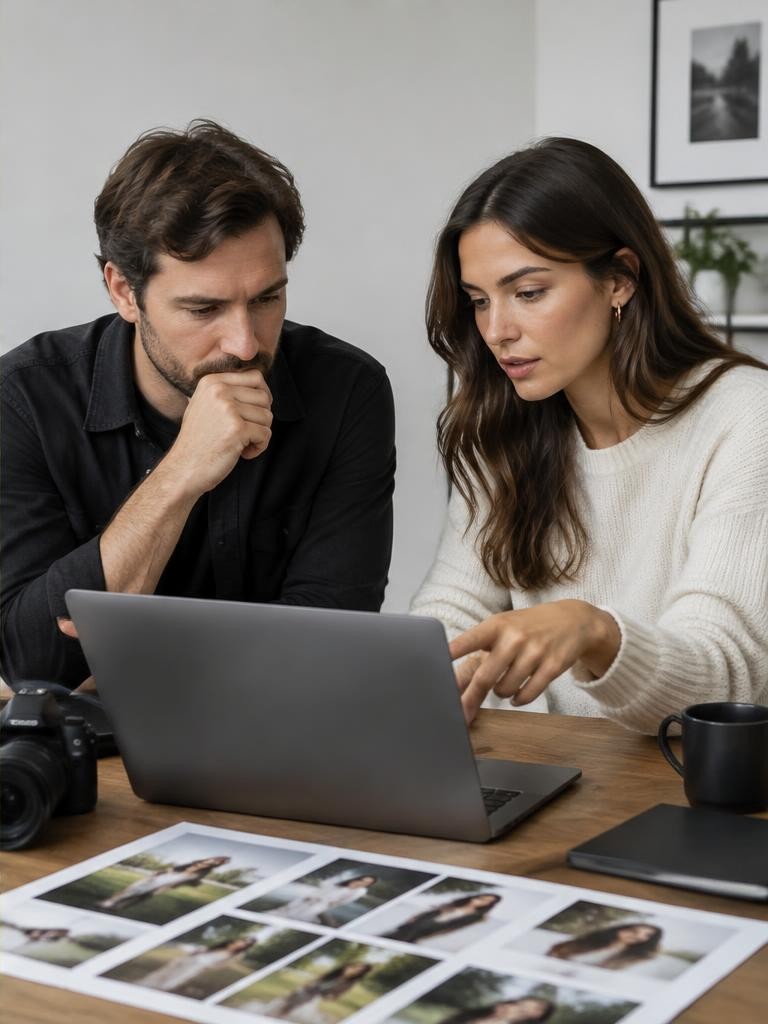
A photographer and an adult musician plan a ninety-minute portrait session for their respective portfolios. They agree on six edited images, two outfits, and a three-week deadline.
The musician can use the files on a personal website and organic social posts; an album-cover licence would require a separate discussion. The photographer can show the agreed images in a portfolio, but cannot submit them to stock libraries under this arrangement.
Each pays their own travel. Before leaving, they confirm the proof-gallery date.
This scenario illustrates negotiable terms, not a mandatory legal template or a claim about customary rates.
Troubleshooting
10Mistakes and troubleshooting
If delivery slips, communicate early and propose a realistic revised date rather than disappearing. If the pictures miss the brief, compare them with the written shot list and discuss a limited remedy; do not demand unlimited reshoots.
If someone requests extra retouching, distinguish included corrections from new work. If an image appears in an unapproved advertisement, preserve the agreement and publication evidence, then request clarification or appropriate local advice.
The common preventable mistake is assuming enthusiasm will settle ownership, selection, editing, and usage questions later. Clear boundaries usually protect the relationship better than vague promises do.
FAQ
11FAQ: payment, RAW files, and credit
Is TFP only for beginners? No. Experienced people may collaborate to test a new direction, but neither side owes free work simply because the other wants practice. Must RAW files be included? No; specify deliverables rather than assuming a format. Does tagging the photographer create permission? No: credit and permission serve different functions. Can a participant sell the photographs? Only if the relevant rights and agreement allow that use. Can the project involve paid expenses? Yes, but identify them in advance so “TFP” does not hide compulsory charges or an unexpected commercial commitment.
Try this
12Exercise: draft your collaboration checklist
Before accepting a shoot, write one sentence each for the concept, participants, location, clothing boundaries, expenses, cancellation plan, file quantity, selection method, delivery date, editing scope, publication permissions, and credit format. Send the list to the other participants and ask them to correct it.
Then test it with two questions: what happens if it rains, and what happens if a brand wants to buy an image? If the answers are unclear, resolve them before the session.
Find further planning material in the Photography resources linked below, and obtain jurisdiction-specific advice where the agreement has legal or commercial consequences.
Sources & further reading
These references support the technical explanations. Exercises and starting settings are illustrative and should be adapted to your equipment and conditions.
- Model Releases – Questions and Answers — ASMP
- What Photographers Should Know about Copyright — U.S. Copyright Office
Free resources from LensSuite
Was this guide helpful?