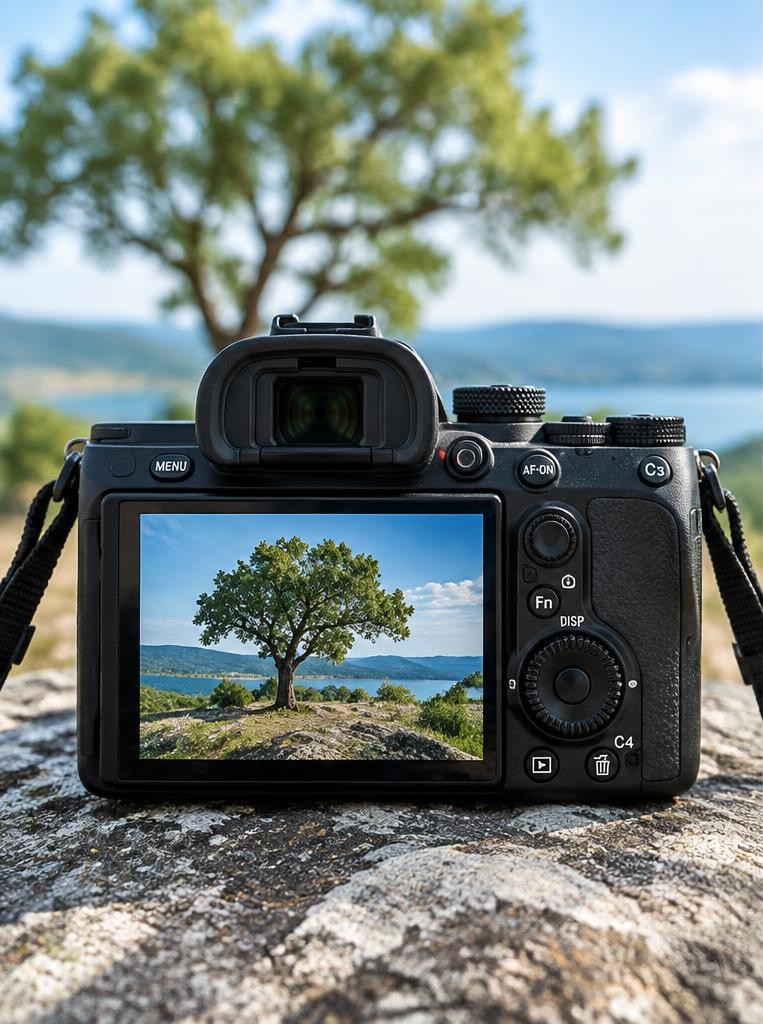

To start a boudoir photography business, build a safe adult-only service before selling a visual style. Define boundaries, practise respectful direction, secure an appropriate space, separate publication permission from the session agreement, and test private delivery. Then price the complete experience, including consultation and careful editing. This is an operational launch guide, rather than a general registration checklist or a survey of session prices. Your first product is trust: a client should understand what will happen, what can change, and who will ever see the photographs.
01Step 1: Define the experience and its limits
Write a one-paragraph offer describing the client, mood, session length and deliverables. A fully clothed, intimate portrait session is a legitimate starting point; boudoir does not require nudity.
Specify the styling you offer and the requests you will decline. Make this an adult-only service and establish an age-verification process appropriate to local rules without retaining unnecessary identity documents.
Avoid promises about healing trauma, fixing confidence or transforming bodies. You are providing photography, not therapy, and people can enjoy the experience without having an emotional breakthrough.
02Step 2: Learn permission-based direction
Practise posing with consenting adults who understand the exercise. Explain a pose, demonstrate it yourself where useful, and offer alternatives rather than physically repositioning someone.
Ask before touching clothing, hair or the person, and accept refusal without argument. Agree on an easy pause signal and remind clients that they can stop a pose or change an outfit.
Ask about movement limitations without demanding a medical history. A useful direction describes action: turn toward the window and relax your hands.
A judgement about whether a body looks desirable is unnecessary.
03Step 3: Audit the room before accepting bookings
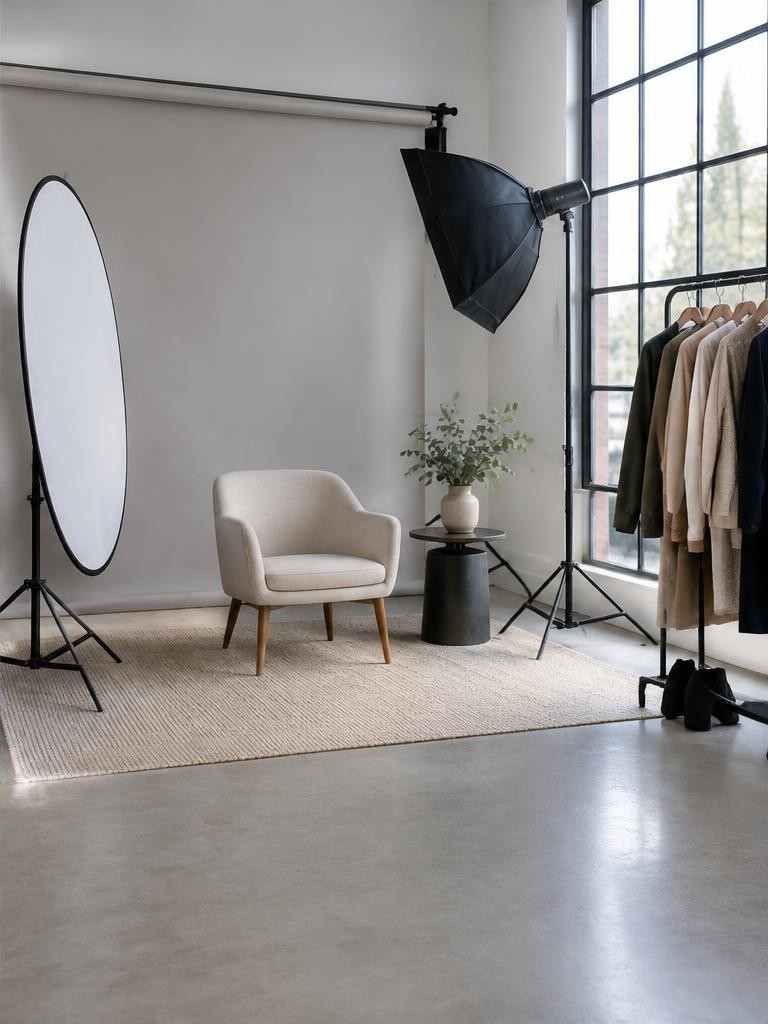
Check privacy from windows, entrances and reflective surfaces. Provide a separate changing area, comfortable temperature, clean seating and an unobstructed exit.
Tell the client who will be present, including assistants and any styling professionals. Discuss support-person arrangements beforehand, subject to safety and space constraints.
Check venue permission for your intended commercial use; an attractive rental bedroom is not automatically an approved studio. Test lighting and safe cable routes with someone standing and moving through the set.
Do not discover a public corridor sightline during a paid session.
04Step 4: Separate the agreements
Use a service agreement covering scope, payment, cancellation, delivery and editing. Handle publicity permission separately: buying photographs should not silently authorise advertising.
ASMP's release guidance explains the risks of promotional use without appropriate permission in its US context; local requirements still need checking. Explain proposed channels and which images would be shared, rather than asking for vague permission to use everything forever.
Make private-only delivery a clear option. Have qualified local advice on the documents, especially withdrawal requests and the relationship between releases and applicable data-protection rights.
05Step 5: Design privacy across the whole workflow
Map where images travel: cards, computer, backup, editor, gallery and print supplier. Restrict access, use strong account security, and understand each provider's sharing settings.
Remove location metadata where appropriate and avoid identifiable public gallery names. The ICO's UK guidance emphasises purpose limitation, minimisation, retention and security; these are useful design questions globally, not a claim that UK law applies everywhere.
State a retention schedule you can actually maintain. Do not promise absolute secrecy or instant deletion from every backup when your systems cannot deliver either.
06Step 6: Build a portfolio without pressuring clients
Arrange dedicated portfolio sessions with consenting adults, transparent compensation or exchange terms, and agreed publication scope. Present those as arranged portfolio work, not evidence of a busy client list.
Seek varied representation without treating anyone as a token or requiring them to disclose personal circumstances. Show consistent lighting, expression and respectful styling, not just elaborate sets.
A small, authorised portfolio is stronger than many images with uncertain permissions. Never make a private paying client's discount depend on public exposure unless the arrangement is genuinely optional and clearly explained beforehand.
07Step 7: Price the complete experience
Hypothetical figures in currency units illustrate the arithmetic, not market prices. Suppose a session sells for 480 and costs 90 for room hire, 60 for styling support, 20 for delivery and 10 for other session costs.
The contribution is 300 before fixed overhead, owner pay and tax. If monthly fixed costs are 600, two sessions cover those costs but pay you nothing.
At four sessions, 1,200 remains after direct costs and overhead. If each takes eight total hours, that is 37.50 per working hour before tax and further business needs.
08Step 8: Rehearse consultation through delivery
Run a complete trial, not just a lighting test. Send the preparation guide, confirm boundaries, photograph the agreed looks, back up the files and deliver a private selection process.
Explain whether proofs are lightly corrected previews or finished images. Agree retouching preferences without presuming that scars, body shape or skin texture should change.
If outsourcing, disclose the relevant workflow and check permissions and safeguards. Record actual hours for consultation, setup, editing and administration.
Your price model becomes meaningful only when those measured hours replace optimistic guesses.
09Illustrative story: choosing a quieter launch
Imagine a fictional photographer planning six weekend sessions in a borrowed studio. A rehearsal reveals that changing and cleaning require longer than expected, while private selection meetings add another hour per client.
Rather than rushing people, the photographer opens two appointments and hires the room for a longer block. One portfolio participant declines permission for a particular frame, so it stays private.
The launch looks smaller online but is operationally stronger. This scenario illustrates a decision process, not an account of a real business or a forecast of bookings.
Troubleshooting
10Common mistakes and recovery plans
If clients arrive uncertain, rewrite preparation materials rather than adding more poses. If selections stall, clarify the included image count and deadline without using embarrassment or pressure.
If a gallery reaches the wrong person, disable access promptly, preserve the facts, contact the affected client and assess notification duties with appropriate local advice. Do not conceal an incident.
If editing repeatedly exceeds your estimate, narrow the retouching scope or adjust the offer. A boundary violation is not a customer-service disagreement to bargain away; stop, address safety and document what happened appropriately.
FAQ
11Frequently asked questions
Do you need a permanent studio? No, but every location needs an operational and permission check. Can you photograph only clothed clients? Yes; describe the offer accurately. Must clients let you publish images? Do not make that your default business assumption; agree service and publicity separately. Can a friend attend? Explain your policy before booking and consider the client's comfort alongside space and safety. Should you offer styling? Only when the responsibilities, qualifications where relevant, hygiene arrangements, pricing and client expectations are clear. An optional service creates real coordination work, not just a higher package label.
Try this
12Exercise: conduct a privacy-first launch audit
Draw the client journey from enquiry to scheduled deletion. At each stage, write what information you collect, who sees it, how it is protected and what the client is told.
Next, rehearse a pause request, a no-publication request and an incorrect gallery invitation. Time your complete trial session and recalculate contribution per working hour.
Finish by writing a short readiness decision: launch, narrow the offer or delay. Only accept bookings once the boundaries, room, agreements and delivery process work together; advertising cannot repair an unsafe or confusing service.
Sources & further reading
These references support the technical explanations. Exercises and starting settings are illustrative and should be adapted to your equipment and conditions.
Free resources from LensSuite
Was this guide helpful?