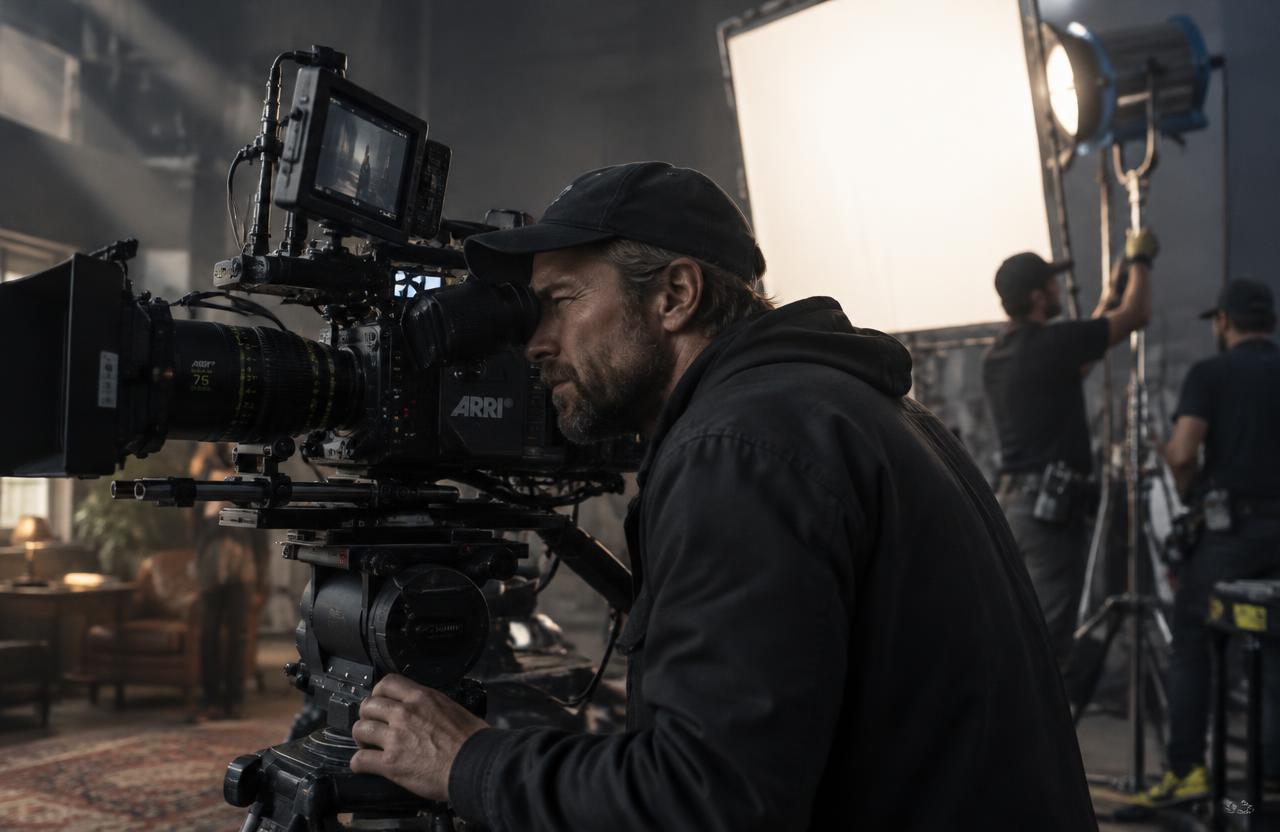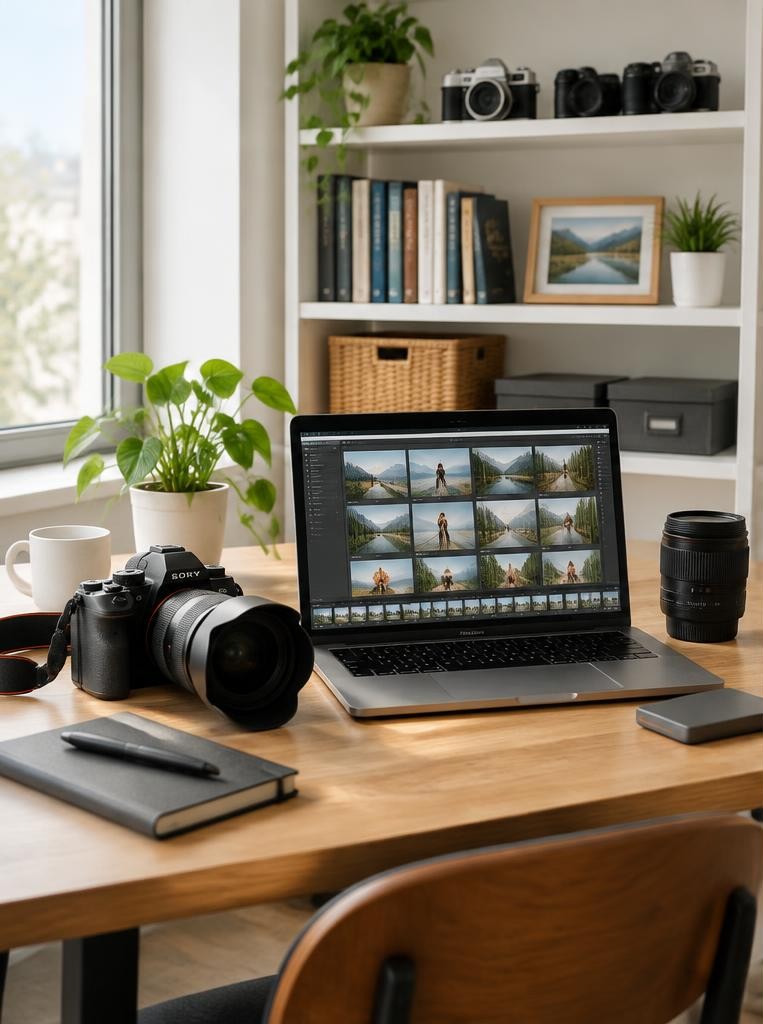
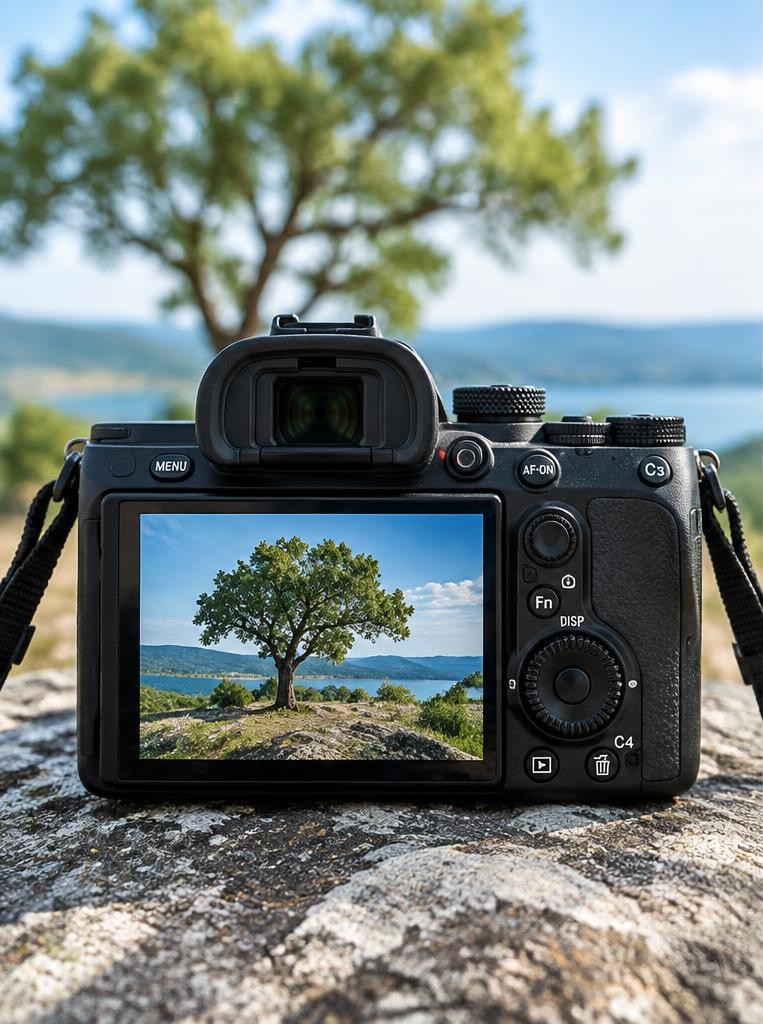
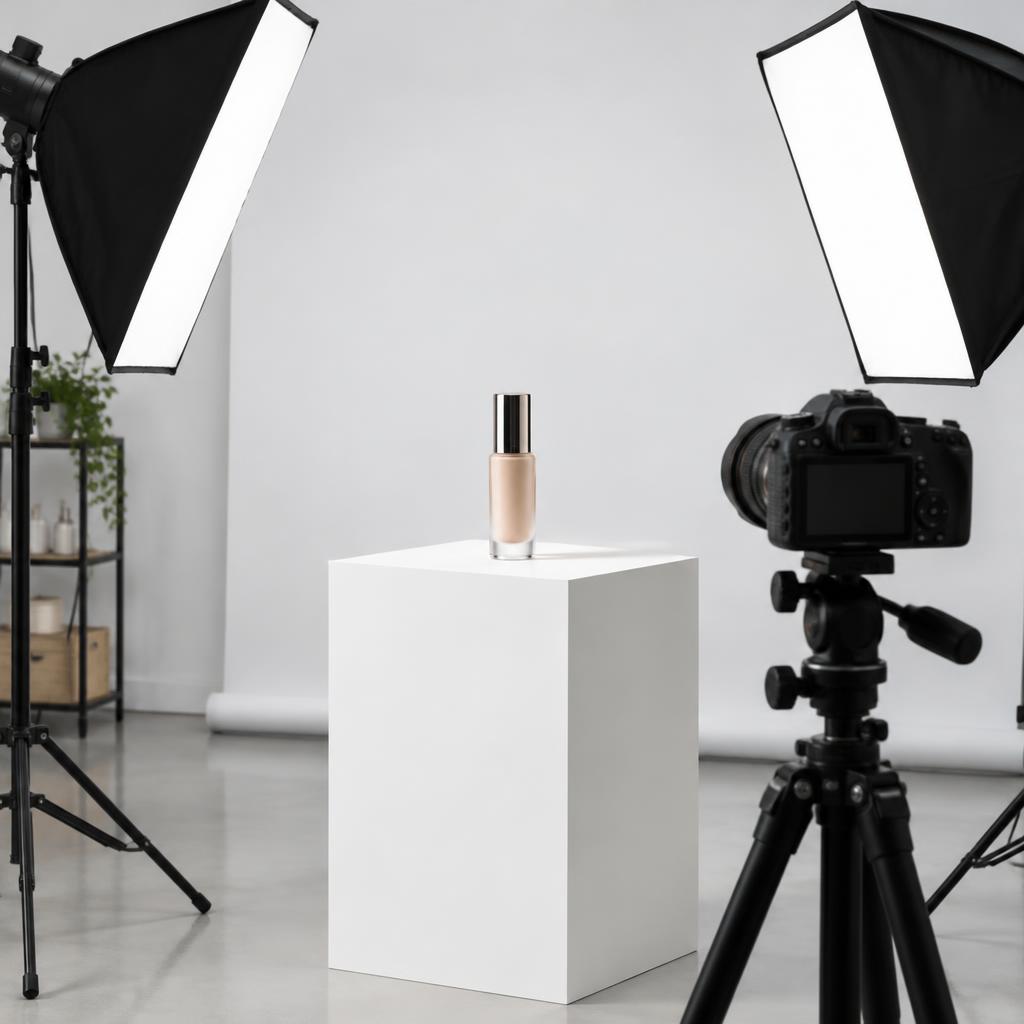
Commercial photography creates photographs used to sell or promote products, services, properties or organisations. A product listing, restaurant campaign or company headshot can all qualify: the defining feature is the image's business purpose, not the camera, lighting style or size of the client.
01Start with the business brief
A commercial photograph solves a communication problem: show a product clearly, make a service understandable or give a brand a recognisable identity. Adobe describes the field as photography that helps sell things, spanning websites, billboards and social campaigns. [1](https://www.adobe.com/creativecloud/photography/type/commercial-photography.html)
Before discussing equipment, ask who the audience is, what they should notice and where the image will appear. A website banner needs space for text; a marketplace listing may need consistent backgrounds.
Those requirements belong in the brief.
02Six common types of commercial photography
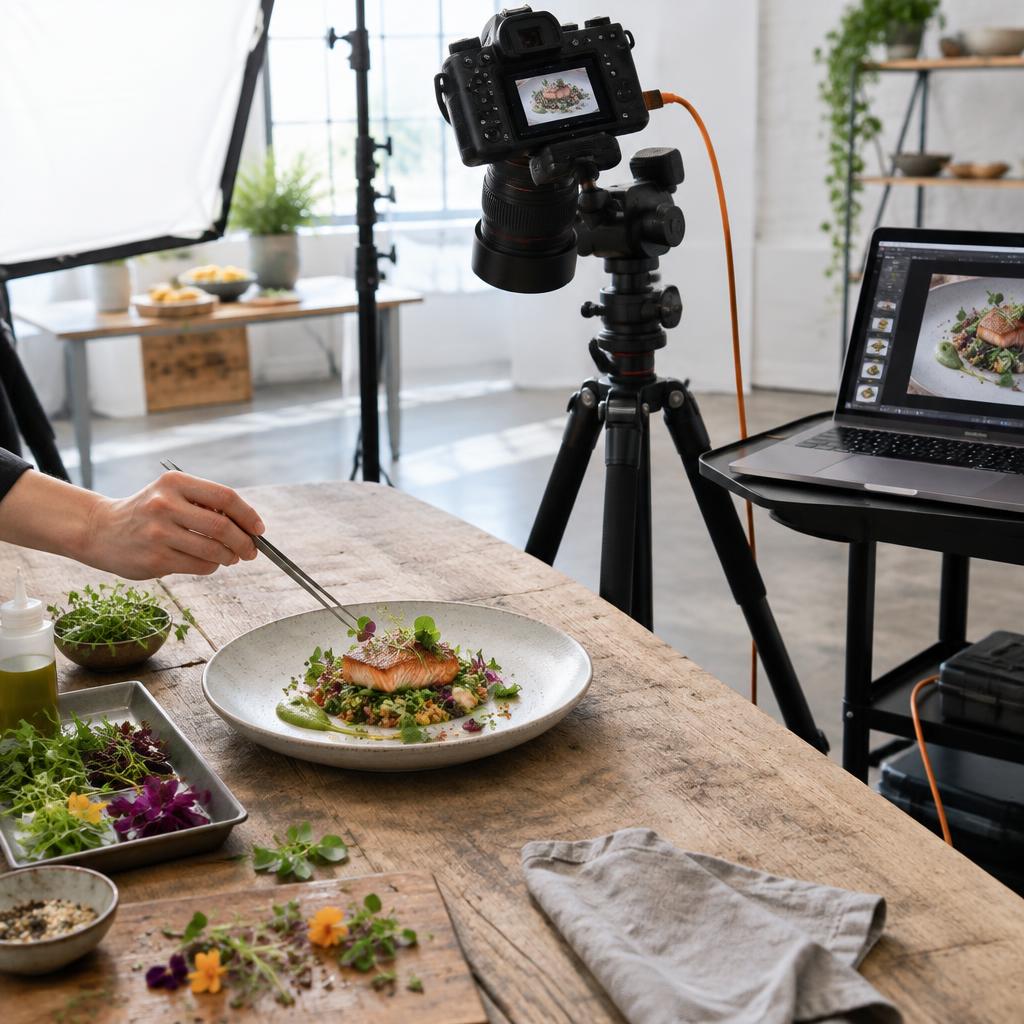
Product photography shows items for shops, catalogues and campaigns. Food photography promotes dishes, ingredients and hospitality businesses.
Fashion work sells clothing, accessories or a brand identity through models, styling and location.
Real estate photography markets properties and spaces. Corporate headshots support staff profiles, recruitment and professional credibility.
Advertising photography builds campaign concepts, often combining products, people and sets. These categories overlap: a restaurant assignment might include food, interiors, staff portraits and lifestyle photographs within one production.
03Commercial versus editorial versus retail
Commercial work promotes a business or offering. Editorial photography primarily informs or illustrates reporting, such as a newspaper's independently commissioned restaurant feature.
The same subject can appear in both, but the intended use and context differ.
Retail photography usually means selling photographic services directly to consumers: family portraits, wedding collections or graduation prints. This is a useful business distinction, not a universal legal classification.
A portrait made for a person's family album is retail; a portrait licensed for a company's recruitment campaign is commercial.
04What the client receives
Agree on final image count, crops, background treatment, retouching, colour requirements, file formats and approval stages. A sample brief might require eight retouched product photographs, each delivered as a high-resolution JPEG and a square web version, within seven working days of selection.
Separate capturing photographs from permission to use them. A licence should identify the client, images, permitted media, territory, duration and any exclusivity.
State whether agencies, distributors or other third parties may reuse the files. Delivery alone should not leave these questions unanswered.
Worked example
05Published day rates: useful examples, not a salary
There is no single worldwide commercial day rate. Atlanta photographer Iran Watson publishes an US$825 half-day package of up to six production hours and a US$1,500 full-day package of up to ten hours, with different image counts and included licences. [2](https://iranwatsonphoto.com/pricing/)
At a different production scale, a public Visit Haywood quote lists US$6,000 per day for four days, combining creative work, equipment and perpetual licensing. [3](https://docs.visithaywood.com/2024/11/samdeanphotography_spring2025_hctda.pdf)
These published examples span US$825–6,000, but they are not like-for-like market averages or take-home pay. Crew, overheads, local demand and usage materially change the economics.
06How licensing and usage fees work
Broader rights can justify a higher fee: one country's website use for a year is narrower than worldwide advertising across all media indefinitely. The Association of Photographers' calculator uses media, territory and other usage variables as a starting point for negotiation, not a mandatory tariff. [4](https://www.the-aop.org/information/usage-calculator)
Real estimates sometimes bundle creative and usage fees. A Wonderful Machine estimate lists US$12,000 for creative/licensing covering up to 14 images for one year of unlimited use.
That is one production example, not a standard per-image price. [5](https://cdn.wonderfulmachine.com/wp-media-folder-wonderful-machine/wp-content/uploads/estimate-2_redacted.pdf)
Worked example
07Worked example: quote a small product assignment
Imagine a local skincare brand needs eight photographs for its website and organic social channels. An illustrative estimate is US$600 shooting, US$150 preparation, US$200 retouching, US$100 materials and US$250 licensing: US$1,300 before applicable tax.
This is a teaching example, not a published rate card.
Specify one shoot day up to six hours, eight final images, one consolidated revision round and a non-exclusive 12-month worldwide website/organic-social licence. Exclude paid advertising, packaging and third-party resale unless separately agreed.
If the client later requests packaging use, quote the expanded licence rather than silently including it.
08What a first commercial job can look like
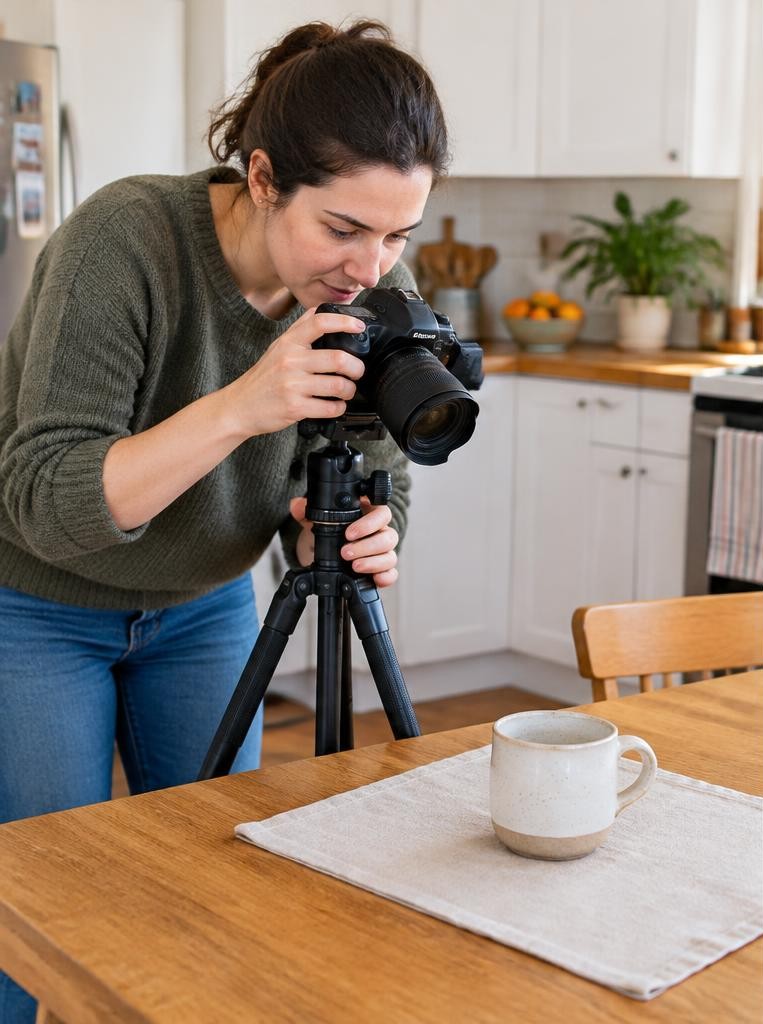
Illustrative scenario: a beginner photographs six ceramic mugs for a small maker. Before the shoot, both parties approve a reference image showing soft side lighting, a pale background and accurate glaze colour.
The photographer makes one test setup and requests approval before photographing the remaining products.
The maker then requests vertical crops for social posts. Because crop requirements were discussed beforehand, the originals contain enough space.
The photographer delivers the agreed files and licence together. A clear brief prevents more trouble than improvising extra photographs at the end.
09Choose a specialism and build relevant proof
Start with subjects you can access repeatedly: household products, a consenting small business owner or a permitted interior. Build three small projects showing consistency, not thirty unrelated favourites.
Label self-directed concepts honestly; never imply a brand commissioned work when it did not.
Assist established photographers to learn set etiquette, file handling and production logistics. Then approach suitable businesses with a relevant example and a specific offer.
A six-image menu refresh is easier to evaluate than a vague promise to improve someone's marketing.
Troubleshooting
10If the images fail the brief, diagnose why
If a shiny product shows ugly reflections, the cause is usually what it reflects. Move or enlarge the light, add diffusion and use white or black cards to shape edges.
Buying a sharper lens will not fix uncontrolled reflections.
If colours vary, check mixed lighting, white balance and the editing/display workflow. If approved images are rejected later, missing references or an unclear approval process may be responsible.
Agree on a test frame, shot list and decision-maker before completing the entire production.
FAQ
11FAQ: copyright, releases and getting paid
Does the client own the photographs? Payment does not automatically settle ownership. US copyright guidance explains protection for original photographs; national law, employment and contracts affect the outcome. [6](https://www.copyright.gov/engage/photographers/)
Do staff models need releases? ASMP recommends releases for commercial uses, including employee photographs and self-promotion. Check applicable local law and assign responsibility in writing. [7](https://www.asmp.org/strictly-business-blog/model-releases-questions-answers/)
Is a day rate the whole invoice? Often not. Commercial estimates can separate preparation, photography, licensing and expenses. [8](https://theimagecrafters.com/pricing-fees-tips/)
Agree on payment stages, cancellation terms, overtime and when licensed usage may begin.
Try this
12Your first commercial practice checklist
Choose one product and write a mock brief: audience, intended use, three required views and final dimensions. Create a reference board, prepare the subject and photograph a test frame before completing the set.
Deliver three consistent finished images, then draft an estimate separating production, retouching, expenses and usage. Track every working hour, including preparation and revisions.
Finally, check whether the photographs actually answer the brief. Commercial readiness means repeatable problem-solving and reliable delivery—not simply owning professional-looking equipment.
Sources & further reading
These references support the technical explanations. Exercises and starting settings are illustrative and should be adapted to your equipment and conditions.
- Adobe: Commercial photography tips for beginners
- Iran Watson Photography: Published pricing
- Sam Dean Photography: Visit Haywood public quote
- Association of Photographers: Usage calculator
- Wonderful Machine: Published creative and licensing estimate
- U.S. Copyright Office: What Photographers Should Know
- ASMP: Model Releases – Questions and Answers
- The Image Crafters: Calculating commercial photography fees
Free resources from LensSuite
Was this guide helpful?