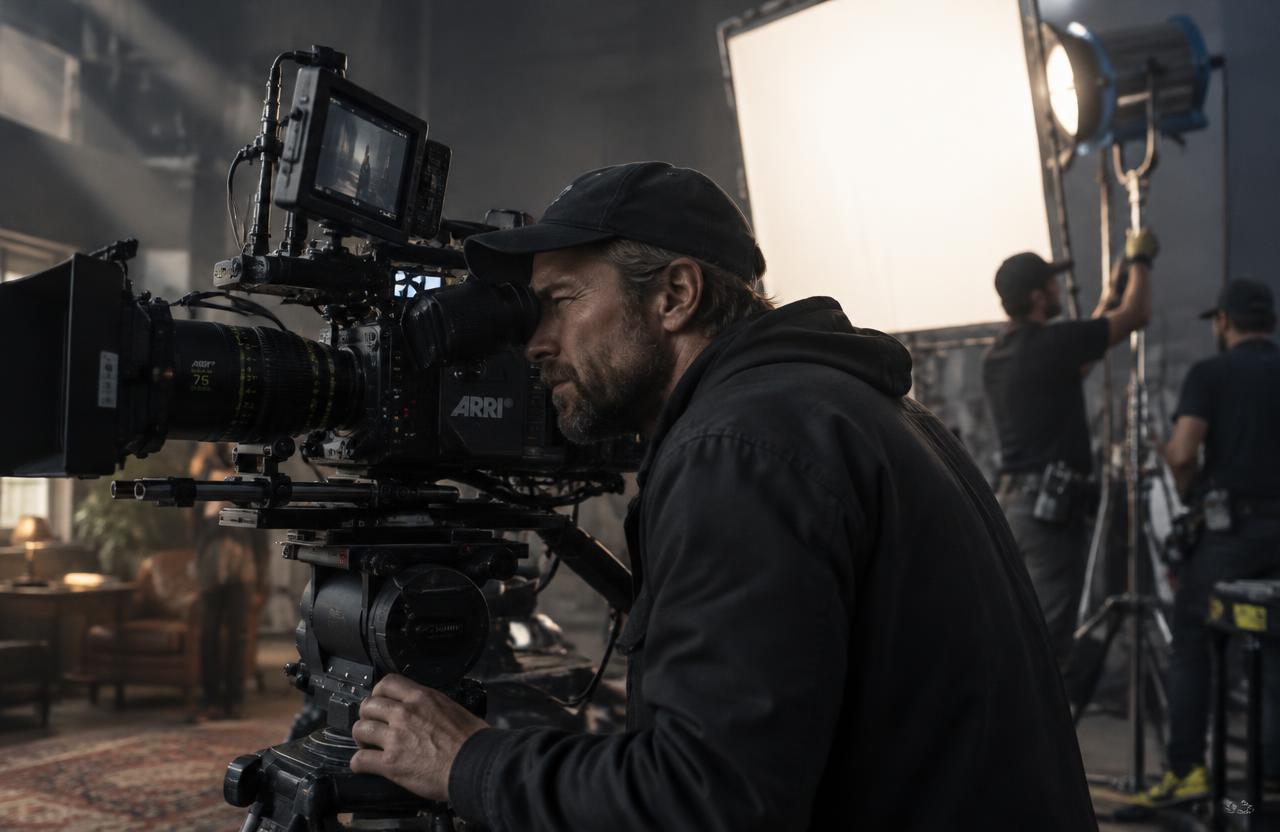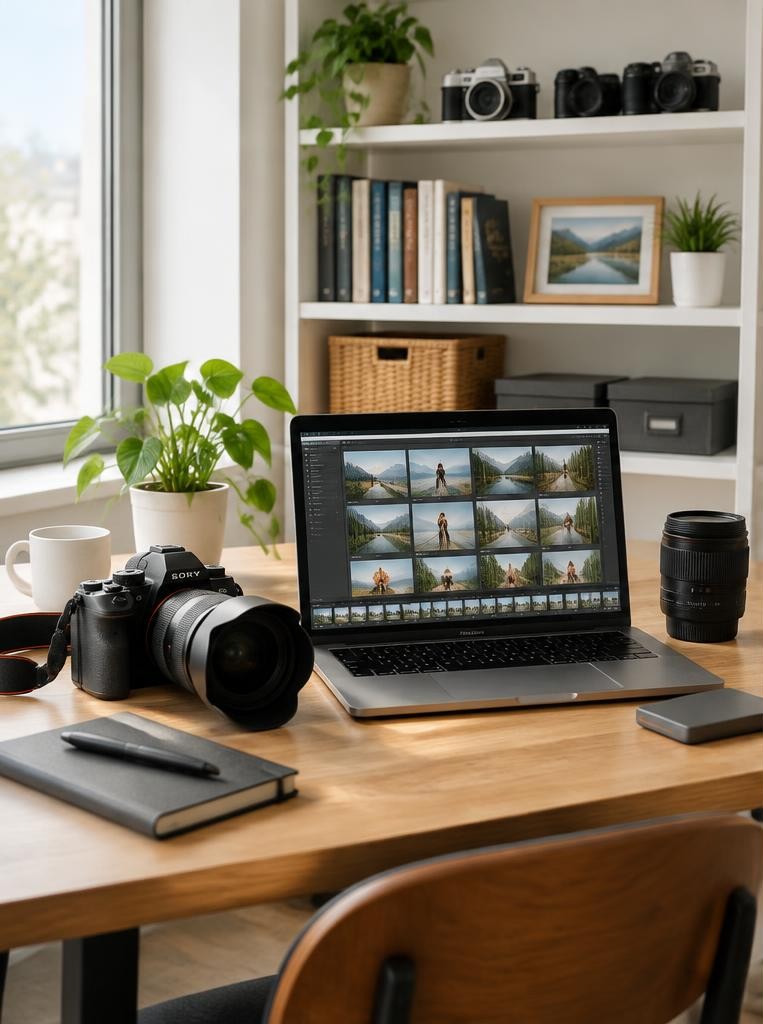
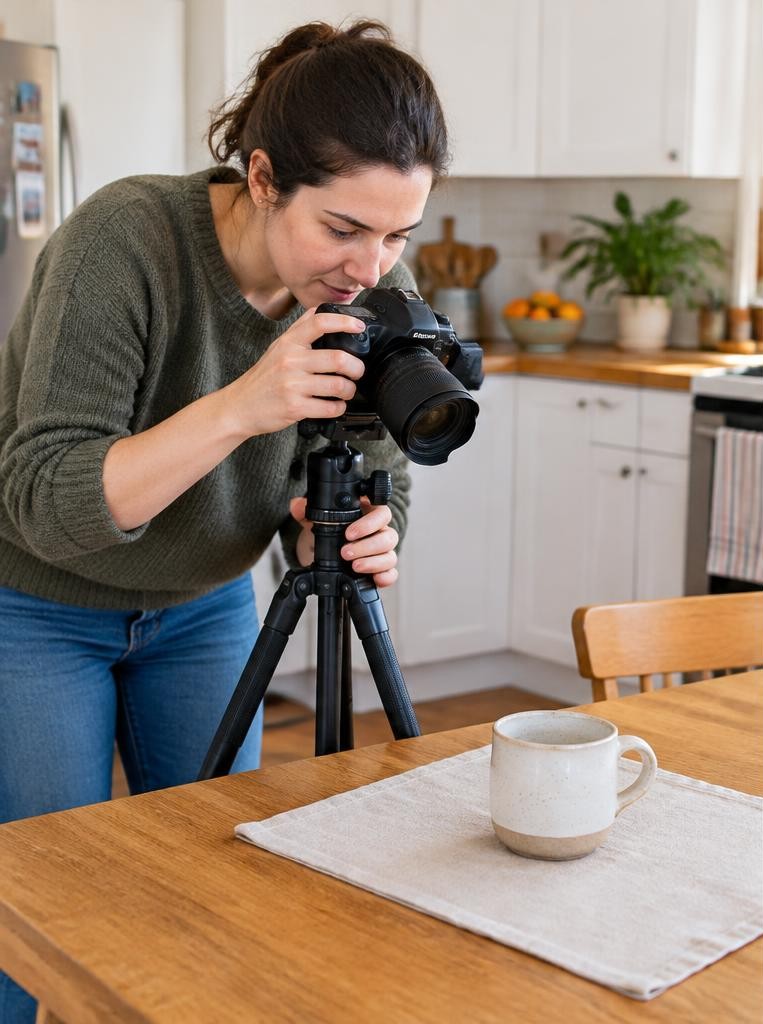
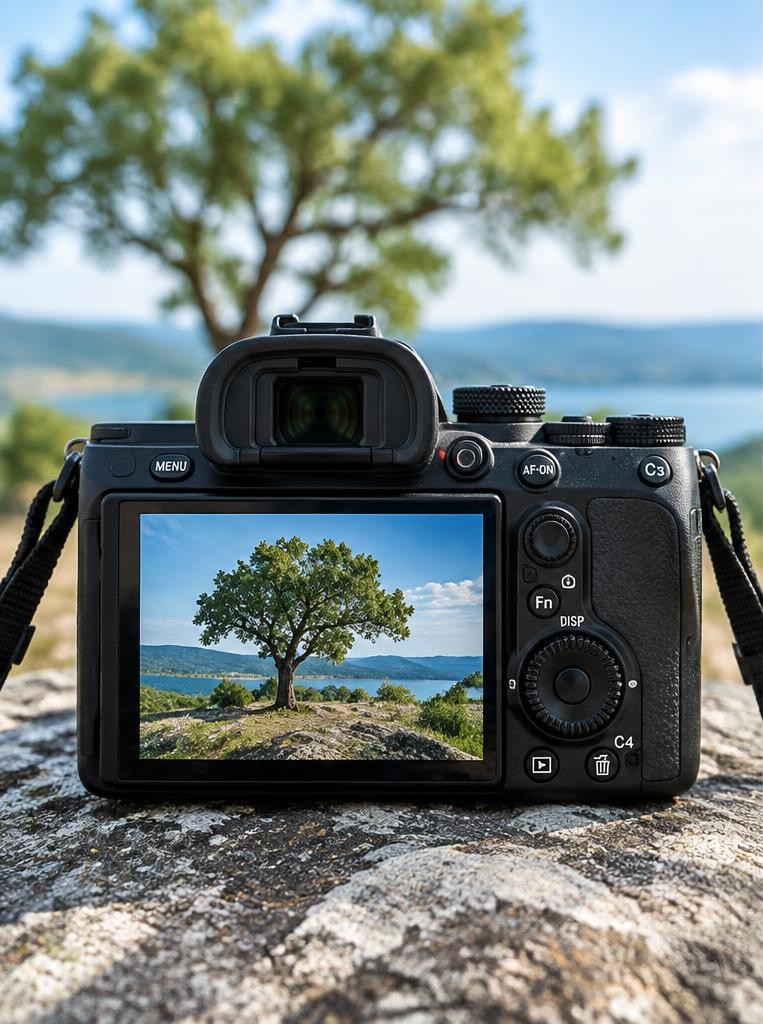
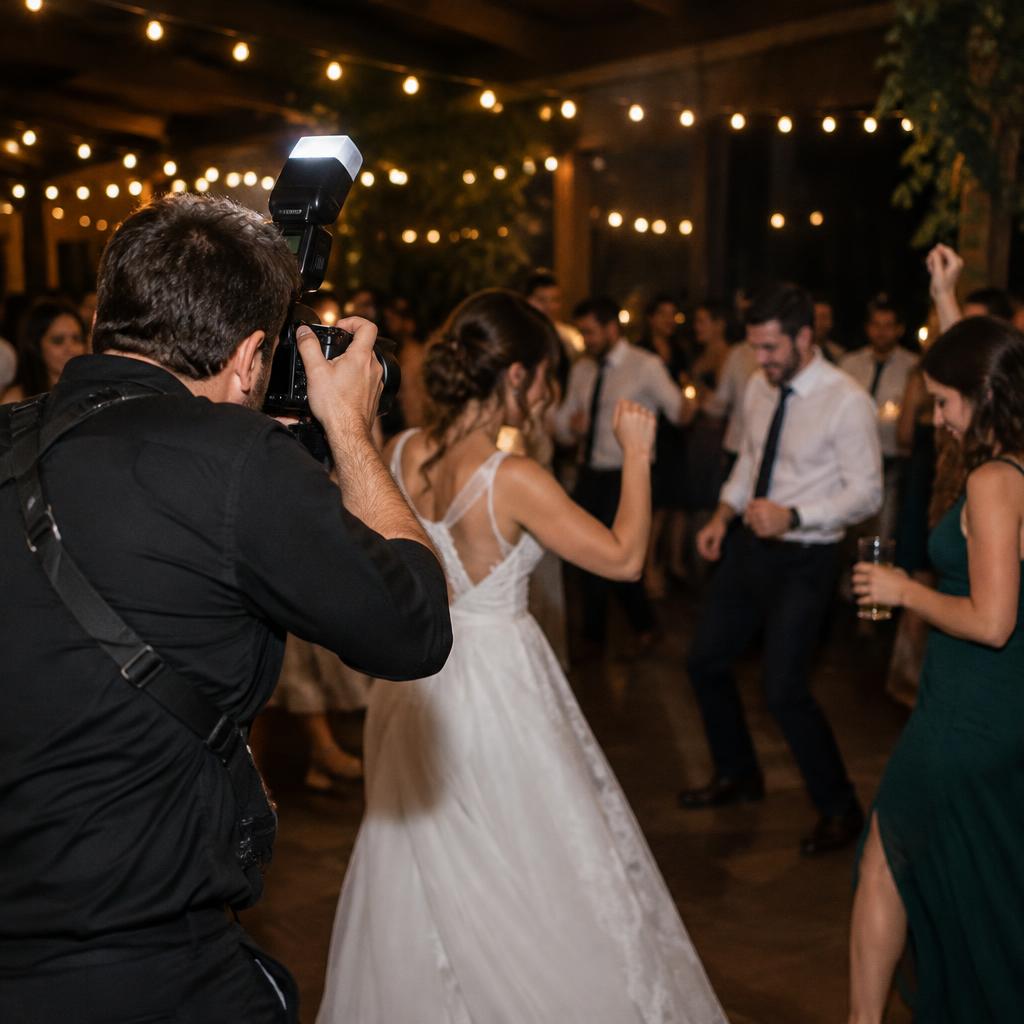
Event photography means documenting an organised occasion through photographs of its people, activities, atmosphere and important moments. Photographers usually combine candid coverage with requested group photographs, then deliver an edited collection that helps clients remember, report on or promote the event.
01The fundamentals: tell the whole story
A useful event gallery answers five questions: where was it, who attended, what happened, what mattered and how did it feel? Adobe describes the work as a mixture of documentary observation and interaction, rather than an uninterrupted series of posed portraits. [1](https://www.adobe.com/creativecloud/photography/type/event-photography.html)
Build coverage in layers: an establishing view, medium photographs of interactions and close details. Photograph the room before guests arrive, then watch for expressions and reactions.
A beautifully exposed lectern is not a substitute for the speaker receiving an award.
02Five common types of event photography
Weddings combine ceremony, portraits and fast-moving celebrations; they are often treated as a separate specialism because missed moments carry unusually high emotional stakes. Corporate events include launches, receptions and awards, where branding and stakeholder coverage matter.
Concerts demand low-light technique and strict access awareness. Conferences add simultaneous sessions, speaker identification and deadline pressure.
Sports require anticipation, suitable positioning and shutter speeds matched to movement. Before accepting any category, ask what access, permissions and specialist knowledge it requires.
03What event photographers actually deliver
The product is a usable collection, not simply time spent holding a camera. Agree on coverage hours, approximate image quantity, editing, file sizes, delivery method and deadline.
For example, a small reception might specify 80–120 edited JPEGs, an online gallery and delivery within five working days. Those are sample terms, not an industry guarantee.
Clarify whether next-morning highlights, detailed retouching, prints or RAW files are included. Also define permitted uses: personal sharing, company communications and paid advertising are different needs.
Keep backups according to an agreed retention policy.
04Typical equipment and starting settings
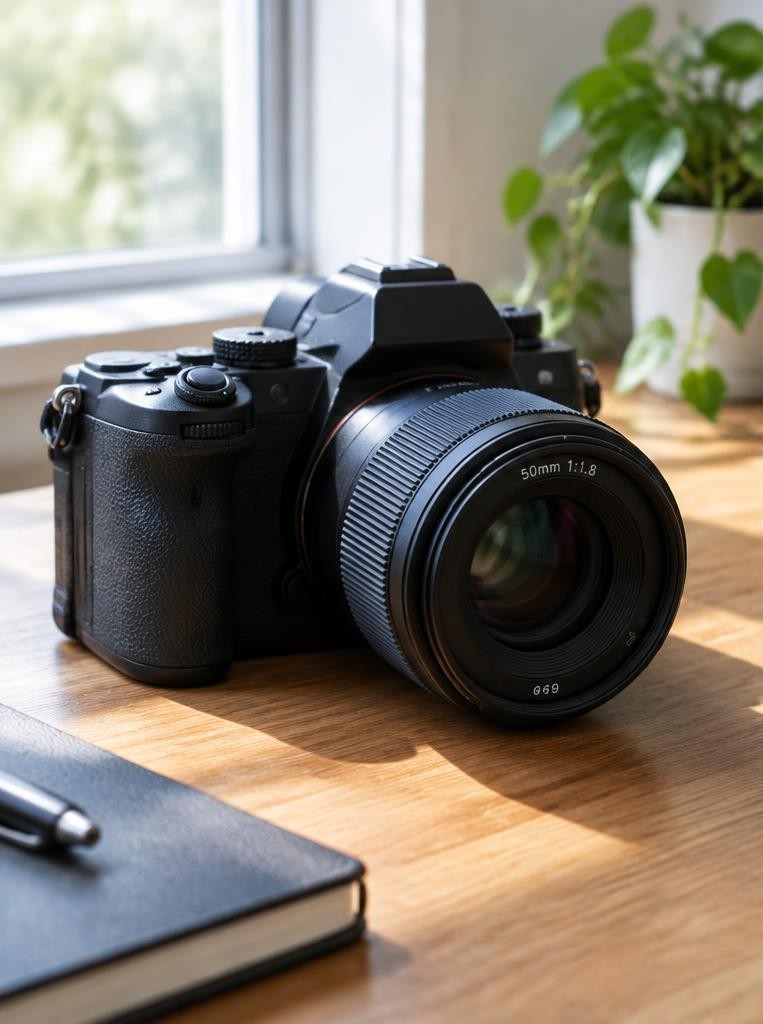
A practical kit includes a reliable camera, spare batteries, enough memory cards, a standard zoom and an approved flash where appropriate. A 24–70mm-equivalent zoom covers many rooms; a 70–200mm-equivalent lens helps when stage access is limited.
Rent a backup body for important paid work rather than assuming one camera cannot fail.
For moving guests, try 1/250s, f/2.8 and Auto ISO as a starting exercise, then inspect results. Try around 1/1000s for fast sport when light permits.
Groups may need f/5.6 or narrower. These are starting points, not universal exposure settings.
05How event photography pricing works
Quotes commonly combine coverage, editing and delivery, with extras for travel, additional photographers, rush turnaround or broader usage. One South Florida photographer publishes US$150–500 per hour, US$800–1,800 for up to four hours and US$1,500–3,500 for up to eight hours.
These are regional examples, not worldwide averages. [2](https://larsmillermedia.com/event-photography-pricing/)
A separate US pricing guide publishes US$150–500 hourly and US$800–2,200 for a half-day. Compare inclusions before comparing totals. [3](https://artistichive.com/event-photography-pricing/)
Use local currency and local research when quoting. Taxes, minimum bookings, licensing and editing scope can change the effective price considerably.
Worked example
06Worked example: quoting a three-hour reception
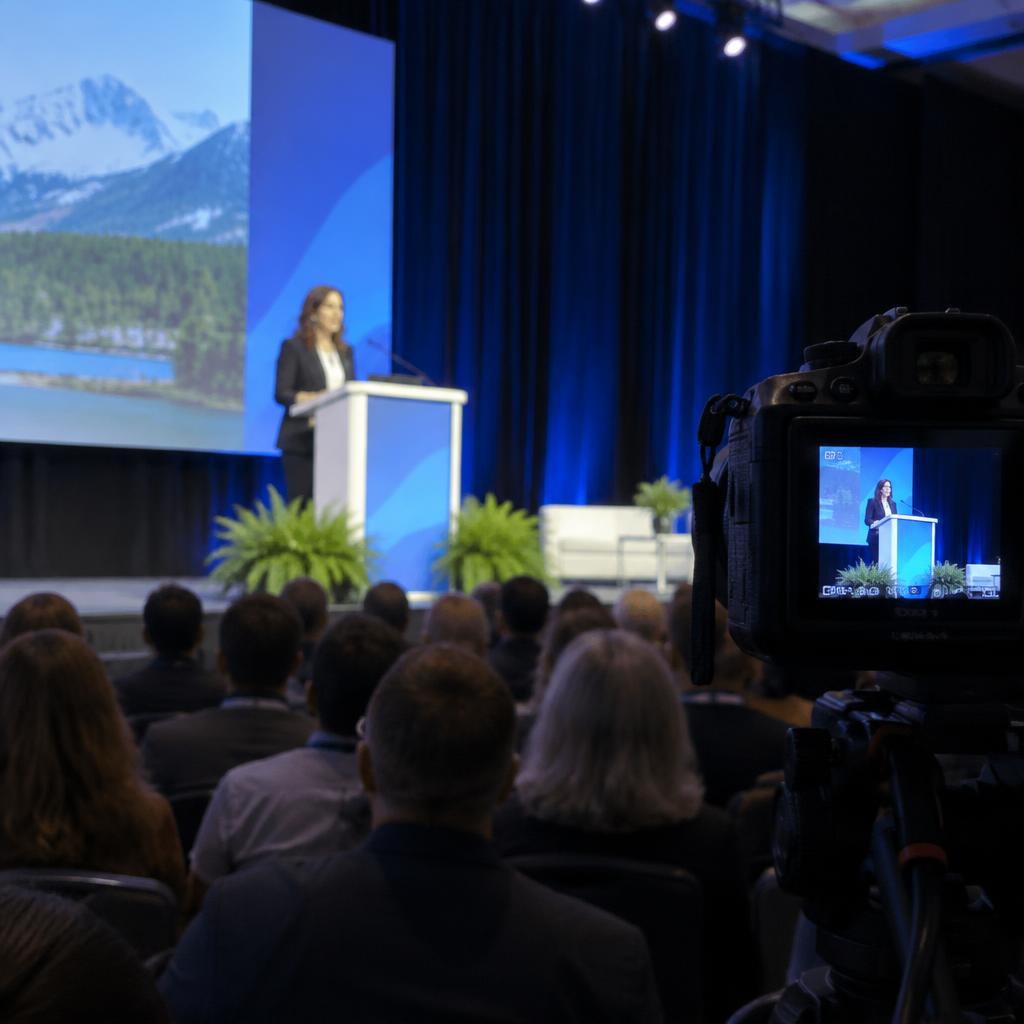
Imagine a business reception requiring three hours of coverage and 90 edited photographs. An illustrative quote could be US$750 for coverage, standard editing and delivery, plus US$60 travel: US$810 before applicable tax.
Specify one venue, one photographer, a five-working-day deadline and company website, organic social and internal use; price paid advertising separately.
Now calculate the workload: one hour planning, one travelling, three shooting and four editing/admin equals nine hours. US$810 divided by nine is US$90 gross per working hour, before equipment, insurance, software and tax.
This is a hypothetical calculation, not a published earning claim.
07What a first paid event can look like
Illustrative scenario: a beginner photographs a small community awards evening after assisting an experienced photographer. The organiser supplies a running order and identifies six essential recipients.
The photographer arrives 45 minutes early, checks the stage light and photographs the empty room.
When the schedule changes, the organiser sends an update before the presentation starts. Because the photographer has already chosen a clear shooting position, the handshake and audience reaction are covered.
The lesson is preparation and communication—not buying equipment just before the doors open.
08Solo coverage or a second photographer?
Work alone when the event is compact, activities are sequential and the brief is realistic. Propose a second photographer when two rooms need simultaneous coverage, portraits would interrupt documentary work or travel between locations creates gaps.
For concerts, access rules can matter more than lens choice. Nikon advises checking restrictions, including permitted positions and limits such as photographing only the first three songs.
Never assume flash or unrestricted movement is allowed. [4](https://www.nikonusa.com/learn-and-explore/c/tips-and-techniques/shooting-a-rock-concert)
Troubleshooting
09If the venue is dark, diagnose the problem
If faces show motion trails, the cause is usually a shutter speed too slow for the subject. Increase it, then open the aperture or raise ISO as needed.
Stabilisation cannot freeze a moving guest. If an ear is sharp but the eyes are soft, investigate focus placement instead.
If faces are orange on one side and blue on the other, mixed lighting is the likely cause. Change position or simplify the lighting where permitted.
For LED banding, test anti-flicker options and mechanical shutter settings. Check test frames before the important moment.
10If you keep missing moments, change the workflow
Missed presentations usually point to incomplete information, poor positioning or attention spent reviewing the previous photograph. Obtain a running order, identify a contact who can warn you about changes and arrive at the next position early.
Capture the action, then its reaction: applause, relief or conversation often completes the story. Use short bursts rather than continuously filling the buffer.
If contractual promises exceed what one person can cover, reduce scope or add help instead of hoping to move faster.
FAQ
11FAQ: qualifications, permissions and image ownership
Do you need a qualification? Clients usually need evidence of reliability and suitable work; venues or employers may impose additional requirements. Check local business, insurance and accreditation rules.
Can you publish guest photographs? Do not assume permission to photograph an event includes permission to advertise your services with every attendee's image. ASMP recommends releases for commercial self-promotion; privacy and consent rules vary by location. [5](https://www.asmp.org/strictly-business-blog/model-releases-questions-answers/)
Does payment transfer copyright? Not automatically. US guidance explains photographic copyright protection, but employment, contracts and national law affect ownership. Define rights in writing. [6](https://www.copyright.gov/engage/photographers/)
Try this
12Start with this practice checklist
Arrange permission to photograph a low-pressure gathering before taking responsibility for an irreplaceable occasion. Write a ten-shot brief covering the venue, host, guests, activity, detail, group and closing moment.
Before shooting, confirm access, flash rules, schedule, backup equipment and consent arrangements. Afterwards, select 30 strong images, correct exposure and colour, export consistent JPEGs and deliver a clearly named gallery.
Record the total hours involved. Use that evidence to improve your workflow, portfolio and next quote.
Sources & further reading
These references support the technical explanations. Exercises and starting settings are illustrative and should be adapted to your equipment and conditions.
- Adobe: Event photography tips and ideas
- Lars Miller Media: Event photography pricing
- Artistic Hive: Event photography pricing
- Nikon: Shooting a Rock Concert
- ASMP: Model Releases – Questions and Answers
- U.S. Copyright Office: What Photographers Should Know
Free resources from LensSuite
Was this guide helpful?